Picture this: You’re standing in front of a wall of wine bottles, each one promising a unique experience, but you’re paralyzed by choice. Sound familiar? I’ve been there, trust me. But here’s the thing – that overwhelming feeling? It’s the start of an incredible journey.
Wine tasting isn’t just about sipping fancy grape juice; it’s a sensory adventure that’s been captivating humans for thousands of years. From the sun-soaked vineyards of ancient Mesopotamia to the meticulously managed estates of modern-day Napa Valley, wine has been weaving its way through human history, leaving a trail of empty bottles and full hearts in its wake.
But why bother learning to taste wine “properly”? Well, let me tell you – it’s like upgrading from watching movies on your phone to experiencing them in IMAX. Once you know what to look for, every glass becomes a story, every sip a discovery. And the best part? You don’t need to be some tweed-wearing, mustache-twirling sommelier to get there.
In this guide, we’re going to walk through everything you need to know to transform from a casual sipper to a confident taster. We’ll cover the basics, dive into techniques, decode the secret language of wine, and even touch on the psychology behind why that Cabernet tastes so damn good with your steak. So, grab a glass (don’t worry, we’ll talk about which one soon enough), and let’s dive in. Your wine adventure starts now.
Understanding Wine Basics
The Fundamentals of Wine
Alright, let’s start with the bread and butter of wine – or should I say, the grapes and yeast? Understanding wine varietals is like learning the alphabet before you start writing poetry. It’s essential, and honestly, it’s a hell of a lot of fun.
Check out A No-Nonsense Tour of Essential Wine Varietals for Beginners to get the full scoop, but here’s the CliffsNotes version:
Wines come in four main styles: red, white, rosé, and sparkling. Each has its own personality, like that eclectic group of friends you somehow accumulated in college. Reds are often bold and complex, whites can range from crisp and zesty to rich and creamy, rosés are the easygoing crowd-pleasers, and sparkling wines? Well, they’re the life of the party.
Now, how does grape juice become this magical elixir we call wine? It’s a process that’s part science, part art, and a whole lot of patience. In essence, yeast eats sugar, poops out alcohol and CO2, and voila – you’ve got wine. Okay, it’s a bit more complicated than that, but we’re not here for a chemistry lesson. The important thing to remember is that every decision made during this process – from when the grapes are picked to how long the wine is aged – affects what ends up in your glass.
The Importance of Temperature
Here’s a piece of advice that’ll instantly up your wine game: pay attention to temperature. Serving temperature isn’t just some fancy rule made up by wine snobs – it genuinely affects how your wine tastes.
The Perfect Pour: Nailing Wine Serving Temperatures Like a Boozy Goldilocks goes deep into this, but here’s the gist: serve a red too warm, and it’ll taste flabby and alcoholic. Too cold, and you’ll miss out on all those lovely aromas. White too warm? It’ll lose its refreshing zing. Too cold? You’ll numb your taste buds and miss all the flavors.
I learned this the hard way at a summer barbecue, serving red wine that had been sitting in the sun. It tasted like warm fruit punch with a kick. Not pretty. Since then, I always keep a bucket of ice handy to cool down wines quickly if needed – even reds. Trust me, it’s a game-changer.
Mastering Wine Tasting Techniques
The Five S’s of Wine Tasting
Alright, time to get into the nitty-gritty of tasting. Enter the five S’s: See, Swirl, Sniff, Sip, and Savor. It might sound like a bizarre ritual, but I promise it’s not just for show.
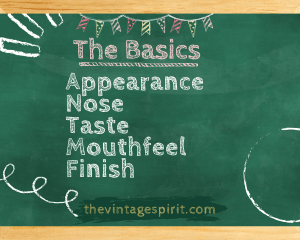
Wine Tasting for Beginners: A No-BS Guide to Sipping Like a Pro breaks this down step-by-step, but let’s run through it quickly:
- See: Check out the color. Is it pale and watery or deep and opaque? This can tell you a lot about the wine’s age and style.
- Swirl: Give that glass a good swirl. It looks fancy, sure, but it also releases aromas and tells you about the wine’s body.
- Sniff: Get your nose in there! The aroma is a huge part of taste. What do you smell? Fruits? Flowers? That old leather jacket you forgot in the back of your closet?
- Sip: Take a sip and let it coat your mouth. What flavors do you notice? Is it sweet, sour, bitter?
- Savor: Think about the aftertaste. Does it linger? Change? Disappear quickly?
I’ll never forget the first time I really went through this process. It was with a bold Barossa Shiraz, and suddenly I wasn’t just drinking wine – I was tasting plums, black pepper, and something that reminded me of the saddle shop my grandpa used to take me to. It was like unlocking a hidden level in a video game.
Developing Your Palate
Now, don’t freak out if you’re not getting “notes of freshly tanned leather and sun-dried Mediterranean herbs” right off the bat. Developing your palate takes time and practice. But hey, it’s probably the most enjoyable homework you’ll ever have.
Check out Swirl, Sip, Master: 7 Surefire Ways to Improve Your Wine Tasting Skills for a full training regimen, but here’s a quick exercise to get you started:
Grab a few different fruits, herbs, and spices from your kitchen. Smell them, taste them, really pay attention to their characteristics. Then, try to identify those same notes in your wine. It’s like training for a marathon, except you get to sit down and drink wine. Win-win, if you ask me.
The Language of Wine
Essential Wine Tasting Terminology
Ever feel like wine people are speaking a different language? Well, they kind of are. But don’t worry, you don’t need to learn Elvish to join in.
Mastering Wine Tasting Terminology: An Easy Guide to Sounding Like a Pro is like your personal Rosetta Stone for wine-speak. But here’s a crash course:
- Body: How heavy does the wine feel in your mouth? Think skim milk vs. whole milk.
- Tannins: That dry, puckering sensation you get with some reds. Like sucking on a tea bag, but tastier.
- Acidity: The tartness or zippiness of a wine. Think lemonade.
- Finish: The aftertaste. Does it hang around like that one guest who doesn’t get the hint that the party’s over, or is it gone in a flash?
Remember, there’s no shame in saying a wine tastes like “grape juice for grown-ups” if that’s what you’re getting. The fancy terms will come with time.
Using the Wine Aroma Wheel
Now, let’s talk about the Wine Aroma Wheel. This isn’t some carnival game – it’s actually a super useful tool for identifying and describing wine aromas.
Decoding Wine Aromas: Mastering the Wine Aroma Wheel will give you the full lowdown, but here’s the short version: it’s a visual guide that helps you pin down what you’re smelling and tasting. It starts with broad categories in the center (like “fruity” or “spicy”) and gets more specific as you move outwards.
I keep a little pocket version with me at tastings. It’s saved me from the embarrassment of saying a wine smells “purple” more times than I care to admit.
The Role of Glassware
Choosing the Right Glass
Okay, let’s address the elephant in the room – yes, the shape of your glass matters. No, you don’t need a different glass for every single wine.
The Ultimate Guide to Wine Glass Types goes into the nitty-gritty, but here’s the 101: different shaped glasses can emphasize different characteristics of the wine. A wide bowl lets you get your nose in to smell better. A narrow rim concentrates aromas. A long stem keeps your grubby, warm hands from heating up the wine.
Do you absolutely need specialized glasses? Nah. But if you’re serious about your wine journey, a set of versatile wine glasses is a worthy investment. Just don’t be that person who refuses to drink wine unless it’s in the “correct” glass. Nobody likes that person.
Proper Wine Service
Now, let’s talk about serving wine like a boss. It’s not just about avoiding spills (though that’s important too – RIP my favorite white shirt).
First up, pouring etiquette. The general rule is to fill the glass about one-third full. This gives the wine room to breathe and allows for proper swirling without sloshing. And please, for the love of Bacchus, hold the bottle by its body, not by the neck like some sort of wine wrestler.
As for decanting, it’s not just for show. The Ultimate Wine Decanting Guide goes deep into this, but essentially, decanting serves two purposes: it separates the wine from any sediment (common in older reds), and it aerates the wine, opening up its flavors and aromas.
Exploring Wine Flavors
Understanding Wine Profiles
Wine isn’t just red or white – it’s a whole spectrum of flavors influenced by everything from the type of grape to the soil it grew in. This concept of how a wine’s origin affects its taste is called terroir, and it’s why a Chardonnay from California can taste wildly different from one from Burgundy.
Unveiling the World’s Wine Flavor Profiles: A Tasting Tour by Region is a great deep dive into this topic. But in general, think of it this way: wine is like a sponge, soaking up characteristics from its environment. Sunny regions often produce riper, fruitier wines. Cooler climates might give you more tart, acidic wines.
Understanding these profiles can help you find wines you love and appreciate the ones you try. It’s like having a roadmap to the world of wine flavors.
Identifying Common Wine Faults
Not all wines are created equal, and sometimes, things go wrong. Being able to identify common wine faults isn’t about being picky – it’s about knowing when it’s the wine, not you, that’s the problem.
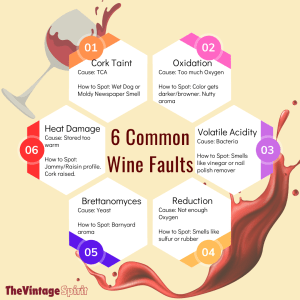
Common Wine Faults: What Beginners Need to Know covers this in detail, but here are a few greatest hits:
- Cork taint: Smells like wet cardboard or moldy basement. Not pleasant.
- Oxidation: Makes the wine taste flat and lifeless, like fruit that’s past its prime.
- Volatile acidity: In small amounts, it can add complexity. Too much, and your wine smells like nail polish remover.
I once stubbornly drank through a corked bottle of expensive Bordeaux because I was too embarrassed to admit it might be off. Learn from my mistakes, folks. If something seems off, it probably is.
Types of Wine Tastings
Formal vs. Informal Tastings
Wine tastings come in all shapes and sizes, from swanky affairs where you’re afraid to touch anything, to casual gatherings where the goal is to empty as many bottles as possible.
Uncorking the Mystery: A Guide to Different Types of Wine Tastings breaks this down further, but here’s the gist:
Formal tastings are usually structured events, often led by a wine professional. They’re great for learning, but can be intimidating for beginners. My first formal tasting, I was so nervous about using the wrong fork that I barely tasted the wine.
Informal tastings, on the other hand, are more relaxed affairs. These might be at a friend’s house or a local wine shop. They’re perfect for exploring without pressure. Just remember – even at informal tastings, it’s generally frowned upon to drink directly from the bottle. Learn from my mistakes, people.
Hosting Your Own Tasting Party
Want to really impress your friends? Host your own wine tasting party. It’s easier than you might think, and it’s a great way to explore wines in a fun, social setting.
How to Host Your First Wine Tasting Party at Home: A Beginner’s Guide has all the details, but here are some quick tips:
- Choose a theme: Maybe all wines from one region, or different styles of the same grape.
- Keep it small: 6-8 people is ideal. Any more and it turns into a regular party (not that there’s anything wrong with that).
- Provide snacks: Nothing too strong that’ll overpower the wine. Think cheese, crackers, fruit.
- Have a spit bucket: It’s not gross, it’s professional. Plus, it helps keep everyone coherent.
My first attempt at hosting a tasting involved too much wine, not enough food, and ended with an impromptu karaoke session. Actually, on second thought, maybe that’s the perfect way to end a tasting.
The Art of Wine Appreciation
The Psychology of Tasting
Here’s something wild – what you think about a wine can actually change how it tastes to you. No, really. The psychology of wine tasting is a fascinating field, and understanding it can seriously enhance your wine experience.
Wine Tasting Psychology: How Your Brain Shapes What’s in Your Glass covers this in detail, but here’s a taste (pun intended):
- Expectation matters: If you think a wine is expensive, you’re more likely to enjoy it. I once served the same wine twice at a dinner party, but told guests the second pour was a much pricier bottle. The oohs and aahs were embarrassingly predictable.
- Environment plays a role: The music you’re listening to, the people you’re with, even the weight of the bottle can influence your perception of the wine.
- Language can shape perception: The words used to describe a wine can actually influence how you taste it. It’s like wine inception.
Understanding these psychological factors doesn’t make the experience any less real or enjoyable. If anything, it adds another layer of fascination to the world of wine.
Keeping a Wine Journal
If you really want to level up your wine game, start keeping a wine journal. It’s not just for sommeliers and wine snobs – it’s a great way for anyone to track their tastes and discoveries.
How to Write Wine Tasting Notes Like a Pro will help you get started, but don’t overthink it. Your journal can be as simple or as detailed as you want. The important thing is to record your impressions and experiences.
I started my wine journal as a way to remember wines I liked (and avoid repeating mistakes). It turned into a sort of vinous diary, full of tasting notes, yes, but also memories of great meals, celebrations, and even a few first dates. Looking back through it is like taking a tipsy trip down memory lane.
Conclusion: Your Journey from Novice to Enthusiast
Well, folks, we’ve swirled, sniffed, and sipped our way through the wonderful world of wine tasting. But remember, this is just the beginning of your journey. Wine is a subject so vast and varied that you could spend a lifetime learning about it and still have more to discover. And isn’t that exciting?
As you continue your wine adventure, keep these key points in mind:
- Trust your palate. It’s okay if you don’t like what the experts say you should.
- Be curious. Try new wines, ask questions, and never stop learning.
- Share the experience. Wine is best enjoyed with good company.
- Don’t take it too seriously. At the end of the day, it’s just fermented grape juice (delicious, complex, historically significant fermented grape juice, but still).
Remember when I mentioned that wall of wine bottles at the beginning? The next time you’re faced with it, I hope you feel a tingle of excitement rather than a wave of intimidation. Each bottle is a new experience waiting to happen, a story waiting to be uncorked.
So go forth, my wine padawans. Explore, enjoy, and maybe make a few delicious mistakes along the way. After all, the best way to learn about wine is to drink it (responsibly, of course).
I’d love to hear about your wine adventures. What discoveries have you made? Any hilarious tasting mishaps? Share your experiences in the comments below. And remember, in the words of the great Julia Child, “A meal without wine is like a day without sunshine.” Cheers to your wine journey!
Leave a Reply