Did you know that humans can detect over 10,000 different odors? Yeah, I didn’t either until I fell down this rabbit hole. But here’s the kicker: most of us struggle to identify more than a handful of aromas in wine. Including yours truly, once upon a time.
Look, I get it. Wine tasting can seem like a pretentious hobby reserved for people who use “summer” as a verb and own boats named after some pun to show off just how clever they really are. But let me tell you something – it doesn’t have to be that way. In fact, it shouldn’t be that way.
Here’s the thing – wine tasting isn’t about impressing anyone. It’s about enhancing your own enjoyment. It’s about learning to appreciate the nuances in that glass of fermented grape juice. And trust me, once you start noticing those little details – and you will – it’s like unlocking a whole new world of pleasure.
Before we dive in, let me lay some cards on the table. As an Amazon Associate, I earn from qualifying purchases. So if you decide to snag some of the wine gadgets I mention (and trust me, you should), I’ll get a little kickback. It helps keep the lights on and the wine flowing. But don’t worry, I’m not here to sell you a $500 corkscrew. I’ll only recommend stuff if I think it is worth a damn. Scout’s honor.
We’re about to embark on a journey that’ll take you from wine novice to… well, maybe not expert, but at least someone who can confidently order a bottle at a restaurant without breaking into a cold sweat. We’ll cover everything from the basics of tasting techniques to decoding those intimidating wine labels. Hell, you might even throw a tasting party by the end of this. And you should.
Maybe by this time next year, you’ll be the one explaining the difference between Bordeaux and Burgundy to your friends. But let’s not get ahead of ourselves. First, let’s figure out what the hell wine tasting actually is.
The Basics: What the Hell is Wine Tasting Anyway?
Let’s cut through the BS. Wine tasting isn’t some mystical art practiced by robed wizards in candlelit cellars. It’s simply the act of evaluating wine using your senses. That’s it. No secret handshakes, no mandatory ascots.
Now, why do people taste wine instead of just guzzling it like we do with most beverages? Well, for one, it’s a helluva lot more interesting than just getting drunk. It’s about appreciating the craftsmanship, understanding the story in your glass, and yeah, figuring out if that $80 bottle was worth skipping lunch for a week.
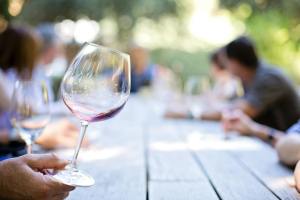
But here’s where people get it twisted. They think wine tasting is about identifying obscure fruits and flowers that they’ve never even heard of. “Ah yes, I detect notes of Yugoslavian elderberries and the faint whisper of Autumn hay.” Bullshit. It’s about finding out what you like and why you like it.
I once had a friend who insisted he could taste the difference between wines made on the north and south sides of the same hill. Spoiler alert: he couldn’t. Don’t be that guy. Wine tasting is subjective, personal, and above all, it should be fun. If you’re not enjoying it, you’re doing it wrong.
Getting Started: The Essential Tools of the Trade
Listen up, because this is important: you don’t need a cellar full of fancy gadgets to taste wine properly. But there are a few key tools that’ll make your life a whole lot easier.
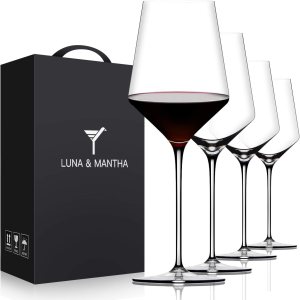
First up, glasses. Don’t get overwhelmed by all of the varietal specific glasses out there. 99% of the time, you will be perfectly fine with a Universal Wine Glass. Opt for something that is clear – no designs or etchings. And unless you have the control of a toddler, choose a glass with a stem so you don’t warm up the wine with your hands while holding the glass. Here is an example of a great set of universal wine glasses for beginners. When you are ready to step it up to the master level, and don’t care about money, Zalto Universal Wine Glasses are my favorite.
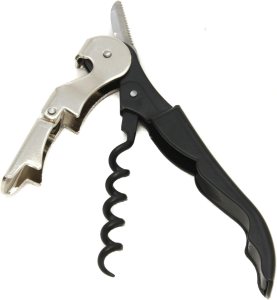
Now, unless you’re planning on becoming a sword swallower, you’ll need a decent corkscrew. Trust me, trying to open a bottle with a shoe or a key isn’t as cool as YouTube makes it look.

First, ditch that the winged corkscrew that you used to play with as a kid – they suck. A simple waiter’s corkscrew is cheap and fits in your pocket.
Palate cleansers are next on the list. These are basically like hitting the reset button on your taste buds. Water works fine, but if you want to get fancy, plain crackers or bread are great too. Just don’t use anything too flavorful, or you’ll be tasting that instead of the wine. Lastly, get yourself a wine aroma wheel and check out my related article on them. It’s like a cheat sheet for your nose. When you’re starting out, it can be hard to put a name to what you’re smelling. This handy little tool gives you a nudge in the right direction. I remember the first time I used one, I felt like a goddamn sommelier. “Oh, of course! It’s not just ‘fruity’, it’s specifically ‘black currant’!” Game changer.
The Five S’s: Your No Nonsense Roadmap to Wine Appreciation
This is where the rubber meets the road. The Five S’s are your secret weapon in wine tasting. They stand for Sight, Swirl, Smell, Sip, and Savor. It’s like a covert operation, but with less danger and more alcohol.
Let’s start with Sight. Hold that glass up to the light and take a good look. Is it purple as a bruise or as pale as your legs after winter? The color can tell you a lot about the wine’s age and grape variety. I once had a wine so dark I thought I could use it as ink. Turns out it was a young Syrah, bold as brass and twice as tasty.
Next up, Swirl. This isn’t just for looking pretentious (although it does help with that). Swirling releases the wine’s aromas and lets you check out its “legs” – those streaks that run down the glass. More legs usually mean more alcohol or sugar. I’ve seen wines with legs that could rival a Rockette.
Now we get to Smell. Also known as nose. This is where that aroma wheel comes in handy. Take a good whiff. What do you smell? Fruits? Flowers? That musty old leather jacket your dad keeps in the attic? There’s no wrong answer here, unless you smell bleach. Then you’ve got bigger problems.
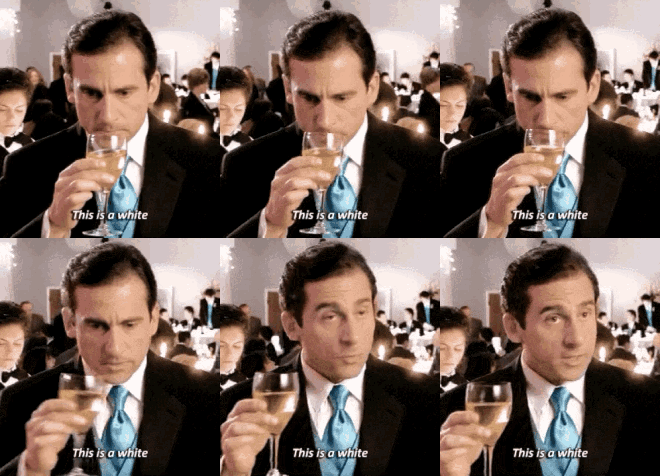
Sip time, finally! But don’t just gulp it down like it’s the last drink before Prohibition. Let it coat your tongue. Is it sweet? Sour? Does it make your mouth feel dry? That’s the tannins talking, buddy.
Last but not least, Savor. How long does the taste linger? Does it change? This is what we call the finish. I’ve had wines with a finish longer than a Tolkien novel, and others that disappeared faster than my motivation to go to the gym.
Remember, this isn’t a race. Take your time with each step. Wine tasting is about the journey, not just getting to the bottom of the glass. Although that part’s pretty good too.
Decoding the Wine Label: Don’t Let It Intimidate You
Have you ever been unsure what to make of that Rosetta Stone masquerading as a wine label? I get it, sometimes these things look like they were designed by a sadistic graphic designer with a vendetta against readability. But fear not, I’m about to arm you with the knowledge to crack this code.
First up, wine regions. This isn’t just some fancy geography lesson. Where a wine comes from can tell you a lot about what to expect. French Bordeaux? Probably a blend of Cabernet and/or Merlot. California Napa Valley? Likely a bold Cabernet Sauvignon. I once bought a bottle just because I liked the name of the region. Turns out, “Côtes du Rhône” is more than just fun to say – it’s damn good wine made of a grenache/syrah blend.
Next, let’s talk grape varieties. Some labels spell it out for you, others make you work for it. Old World wines (that’s Europe, folks) often name the region instead of the grape. So that Chablis you’re eyeing? It’s actually Chardonnay. Sneaky bastards.
Now, vintage years. This is where wine snobs love to flex. But here’s a secret – unless you’re dropping serious cash or cellaring wine for years, the vintage usually doesn’t matter as much as they’d have you believe. I’ve had fantastic wines from “bad” years and mediocre ones from “great” years. It’s more about the skill of the winemaker than the weather report from a decade ago.
Lastly, alcohol content. This isn’t just about how quickly you’ll be texting your ex. Higher alcohol often means a fuller-bodied wine with bigger and bolder flavors. But be warned, those high alcohol bombs can sneak up on you.
Remember, the most important info on any wine label is on the back – the UPC code. Because if you find a wine you love, you’re gonna want to be able to find it again. Trust me on this one.
Common Wine Descriptors: Speaking the Language Without Sounding Like a Pretentious Doofus
This is where we separate the wine lovers from the wino posers. Wine has its own language, and if you want to play in this sandbox, you need to learn it. But don’t worry, I’m not gonna make you sound like you swallowed a thesaurus.
Let’s start with fruit flavors. Red wines might taste like berries, cherries, or plums. Whites could be citrusy, tropical, or apple-y. But here’s the kicker – the wine doesn’t actually contain these fruits. It’s all about perception. How you perceive the wine is all that matters.
Non-fruit flavors are where things get interesting. Ever had a wine that tasted like grass? Congrats, you’ve probably had Sauvignon Blanc. Tobacco, leather, petrol? All legit wine descriptors. I once had a Riesling that smelled exactly like the gasoline from my grandpa’s old pickup truck. Weird? Yes. Delicious? Also yes.
Now for the fancy stuff – structural terms. Tannins are that dry, grippy feeling in your mouth. Like when you drink oversteeped tea, but hopefully more pleasant. Acidity makes your mouth water, like when you bite into a lemon. And body? That’s how heavy the wine feels in your mouth. Think skim milk vs. cream.
Balance and complexity are the holy grails of wine tasting. A balanced wine has all its components playing nice together. Complexity means there’s a lot going on – layers of flavors that keep you coming back for more. I once had a wine so complex, I felt like I needed a PhD to fully appreciate it. Spoiler alert: I enjoyed it just fine without one.
Remember, the goal here isn’t to sound like you’re auditioning for “Somm: The Musical.” It’s to be able to describe what you’re tasting in a way that makes sense to you and helps you remember what you like. So if that Cabernet tastes like your grandmother’s cherry pie, say so. And while you are at it, give me a slice of that pie.
Navigating a Wine Shop: How to Choose a Bottle Without Breaking the Bank
You’re standing in the wine shop, staring at a sea of bottles, each one promising to be the nectar of the gods. Let’s turn this potential panic attack into a victory lap. First, don’t judge a bottle by its cover (label). So much money is spent to get you to buy their label than what’s actually in the bottle. Unless the bottle says Château Mouton Rothschild, the pretty picture on the bottle does not indicate the quality inside.
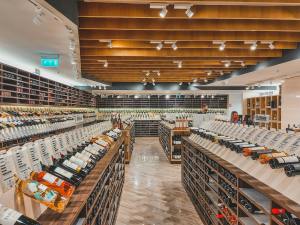
Ok, so now what? Easy – make friends with the staff. These folks are like sommeliers without the bowties and attitude. They know their stuff and can be your secret weapon. But here’s the trick – be honest. If you don’t know shit about wine, say so. They’ll appreciate it more than your feeble attempts to pronounce “Gewürztraminer.”
Now, about those price points. Here’s a dirty little secret – the sweet spot for value is usually in the $20-$45 range. Below that, you’re often paying for marketing and bottling. Above that, you’re into diminishing returns unless you really know your stuff. Sure, there are exceptions to all of the rules here. But at that price range, winemakers tend to actually care about the quality of their bottlings versus solely focusing on profit.
When it comes to exploring different regions and styles, here’s my advice: pick a country and go on a wine tour. Start with their cheap stuff and work your way up. You’ll learn a ton, and you might discover your new favorite wine along the way. I did this with Spanish wines and now I can pronounce “Tempranillo” like a boss. Still working on “Txakoli” though.
Remember, the goal here isn’t to impress anyone. It’s to find wines you enjoy drinking. So don’t be afraid to try that weird-looking bottle with the unpronounceable name. Worst case scenario, you’re out a few bucks and have a funny story. Best case? You’ve just discovered your new go-to wine. And let me tell you, that feeling is better than any overpriced Bordeaux.
Hosting Your First Wine Tasting Party: It’s Not as Scary as You Think
You’ve learned the basics, you’ve tasted some wines, and now you’re ready to show off to your friends. It’s time to host a wine tasting party. Don’t panic – it’s easier than you think, and a hell of a lot more fun than your average potluck.
First up, choose a theme. This isn’t just to make you sound fancy – it gives your tasting some structure. Could be a specific region, grape variety, or even a price point. Once we ran out of varietals, my go to “theme” with my group of friends has been “Wines Over $40”. The wines are usually great. The discussions are always great.
Setting up your tasting area doesn’t require a complete home renovation. A clean table, some white paper or tablecloth for seeing the wine colors, and enough glasses for everyone. Pro tip: forget the fancy wine glass for each type of wine. Unless you’re hosting the Queen, universal wine glasses will do just fine. I learned this after spending way too much on glassware for my first party. Now those fancy glasses gather dust while my trusty all-purpose ones get all the action.
Now, let’s talk food. Wine and food pairing can be a rabbit hole deeper than your ex’s Instagram feed, but let’s keep it simple. Cheese is your best friend here. Get a mix of soft and hard cheeses, throw in some crackers, maybe some cured meats if you’re feeling fancy. I once tried to pair each wine with a specific dish. People are going to peck at your cheese board in whatever order they please.
Last but not least, how to engage your guests. Here’s where you put all that knowledge to use. Give them a quick rundown of the Five S’s, maybe print out some tasting notes sheets. But most importantly, keep it fun. This isn’t a test, it’s a party. I like to play games like “Guess the Price” or “Find the Fake Tasting Note.” Loser does the dishes. Winner gets to take home the leftover wine. If there is any, that is.
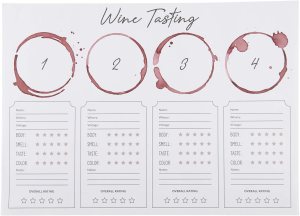
Remember, the goal is to enjoy good wine with good company. If by the end of the night you’re all arguing passionately about whether that Malbec really tastes like blackberries or plums, you’ve done your job. And if you end up ordering pizza and forgetting about the fancy cheeses, well, that’s just part of the fun. Cheers to that!
Conclusion
We’ve come a long way from that deer-in-headlights look in the wine aisle, haven’t we? Let’s recap? We’ve covered the basics of what wine tasting actually is (spoiler: it’s not just fancy day drinking). We’ve armed you with the essential tools of the trade – proper glasses, a decent corkscrew, and that handy-dandy aroma wheel. We’ve walked through the Five S’s – your new mantra for wine appreciation. We’ve decoded those cryptic wine labels and taught you to speak “wine” without sounding like a pompous ass. We’ve navigated the treacherous waters of wine shopping and even turned you into a bonafide party host.
But here’s the thing – all of this knowledge? It’s just the beginning. The beauty of wine is that there’s always more to learn, more to taste, more to experience. It’s a journey, not a destination. And the best part? The more you taste, the more you learn. It’s like studying, but way more fun.
So here’s my challenge to you: Get out there and taste some wine! Try something new every time you buy a bottle. Keep notes on what you like and what you don’t. Host that wine tasting party. Hell, sign up as a member of a winery that you like.
Remember, there are no wrong answers in wine tasting (except maybe “it tastes like chicken”). It’s all about developing your palate and figuring out what you enjoy. So don’t be afraid to say that Chardonnay reminds you of your grandma’s butterscotch candies (from that description it is probably from California), or that Cabernet smells like your old baseball glove (I’m guessing Bordeaux on this one). Those personal associations are what make wine tasting so damn fun.
Now, I want to hear from you. What was your first wine tasting experience like? Any hilarious mishaps or surprising discoveries? Drop your stories in the comments below. Who knows, maybe we’ll all learn something. Or at least have a good laugh.
So raise a glass, my newly minted wine enthusiasts. Here’s to good wine, good company, and the endless adventure of tasting. Cheers!
One response to “Wine Tasting for Beginners: A No-BS Guide to Sipping Like a Pro”
-
[…] If you want to learn some more wine tasting techniques, check out Wine Tasting for Beginners: A No-BS Guide to Sipping Like a Pro […]
Leave a Reply