The first time I heard someone describe a wine as “tight,” I nearly spat out my Cabernet. What the hell does that even mean? If you’ve ever felt lost in the sea of wine jargon, you’re not alone. I’ve been there, nodding along like an idiot while some sommelier waxed poetic about the wine’s “legs” and “bouquet.”
Here’s the thing: understanding wine terminology isn’t about impressing your date or one-upping your wine snob friend. It’s about appreciating what’s in your glass and communicating what you like (or don’t). So, let’s cut through the pretense and get down to the nitty-gritty of wine speak. By the end of this guide, you’ll be tossing around terms like “tannins” and “terroir” with the best of them – and actually knowing what the hell you’re talking about.
The Basics: Starting Your Wine Vocabulary Journey
Alright, let’s start with the easy stuff. These are the terms you’ll hear tossed around at any decent wine tasting, and they’re not as complicated as they sound.
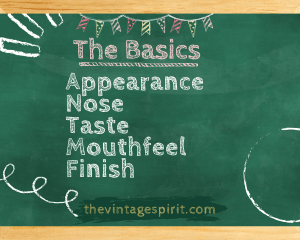
Appearance: This is literally how the wine looks. Is it clear or cloudy? Brilliant or dull? I once had a wine so cloudy it looked like a damn snow globe. Turns out it was unfiltered – fancy, not faulty.
The Nose: Smell that wine before you sip it! The “aroma” refers to the smells that come from the grape variety, while “bouquet” is the smell that develops with age. And yes, sometimes wine really does smell like cat pee (looking at you, New Zealand Sauv Blanc), and that’s not always a bad thing.
Taste: Sweet, dry, acidic. Pretty self-explanatory, right? Except when it’s not. A “dry” wine isn’t actually drying your mouth out – it just means it’s not sweet. And “acidic” doesn’t mean it’ll burn a hole in your stomach. It’s that tart, mouthwatering sensation you get from biting into a green apple.
Mouthfeel: This is exactly what it sounds like – how the wine feels in your mouth. Also known as “the body.” Is it light and zippy (light-bodied) or does it coat your mouth like cream (full-bodied)? I once had a Syrah so full-bodied I felt like I was chewing it.
Finish: This is the grand finale, folks – what happens after you swallow (or spit, if you’re being all professional about it). How long does the flavor linger? Is it pleasant, or does it make you want to scrape your tongue? I’ve had wines with finishes so long I could still taste them while brushing my teeth before bed. On the flip side, I’ve had wines that disappeared faster than my patience at a wine snob convention. A good finish should leave you wanting another sip, not reaching for the water pitcher.
Getting Technical: Understanding Wine Structure
Now we’re getting into the good stuff. This is where you can really start to sound like you know what you’re talking about.
Tannins: These are the compounds that make your mouth feel dry and puckery. They’re mainly found in red wines and come from grape skins, seeds, and stems. Think about the sensation you get from drinking strong black tea – that’s tannin. Some people love ’em, some hate ’em. I used to think I hated tannic wines until I paired a big, bold Cabernet with a fatty ribeye. Game changer.
Acidity: This is the backbone of wine. It’s what makes it refreshing and food-friendly. Without acidity, wine would taste flat and dull. You know that mouthwatering sensation you get when you bite into a lemon? That’s acidity. A wine with good acidity will make you salivate and come back for more.
Alcohol content: More than just a percentage on the bottle. Alcohol contributes to the body of the wine and can make it feel “hot” if it’s out of balance. I once had a Zinfandel that was pushing 16% alcohol. It felt like drinking liquid fire. Not my finest moment.
Balance: This is the holy grail of winemaking. A balanced wine has all its components – fruit, acidity, tannin, alcohol – working in harmony. None of them stick out like a sore thumb. It’s like a perfectly orchestrated symphony in your mouth.
Flavor Profiles: Beyond “Tastes Like Wine”
Let’s get one thing straight – if your only descriptor for wine is “it tastes like wine,” we’ve got some work to do. Wine flavors are complex and can be broken down into three categories:
Primary flavors: These come directly from the grape and include fruit, herb, and flower notes. Ever had a Sauvignon Blanc that smells like fresh-cut grass? That’s a primary flavor. Or a Pinot Noir that tastes like cherries? Primary, baby.
Secondary flavors: These come from the fermentation process and winemaking techniques. That buttery flavor in some Chardonnays? That’s a secondary flavor from malolactic fermentation. Fancy, huh?
Tertiary flavors: This is where things get really interesting. Tertiary flavors develop as wine ages. We’re talking leather, tobacco, earthy mushrooms. I once had a 20-year-old Barolo that smelled like my grandfather’s library – all leather and old books. It was magical.
Regional flavor expectations: Different regions have different flavor profiles. Expect green apple and citrus from Chablis, black cherry and herbs from Chianti. It’s not an exact science, but it’s a good starting point.
The Art of Bullshit: Decoding Pretentious Wine Speak

Look, some wine terms are just ridiculous. But they’re out there, so let’s decode them:
“Tight” vs. “Open“: A tight wine isn’t about the cork. It means the flavors aren’t very expressive yet. An open wine is showing all it’s got.
“Flabby” wines: No gym membership required. This means the wine lacks acidity and structure. It’s like a limp handshake in wine form.
“Chewy” tannins: Please don’t actually chew your wine. This means the tannins are strong and noticeable. It’s like the wine equivalent of a tough steak.
“Cat pee” and other bizarre-but-real descriptors: Yes, sometimes wine smells like weird stuff. Cat pee is a legit descriptor for some Sauvignon Blancs. I’ve heard people describe wines as smelling like band-aids, petrol, even wet dog. Don’t ask me why we drink this stuff.
Terroir: It’s Not Just Fancy Dirt

Terroir is one of those terms that wine geeks love to throw around. But it’s actually pretty cool once you understand it.
Terroir is the environment in which the grapes are grown – the soil, climate, topography, even the microorganisms in the vineyard. It’s what makes a Chardonnay from Chablis taste different from one grown in California.
Recognizing terroir influences takes practice. But once you start noticing how wines from the same region have similar characteristics, you’ll feel like a damn wine wizard.
Famous terroirs and their flavor signatures: Think flinty minerals in Chablis, garrigue herbs in Southern Rhône, or the tar and roses of Barolo. These aren’t just fancy descriptions – they’re the taste of a place in your glass.
Vintage Matters: Talking About Wine Years
Vintage isn’t just about how old the wine is. It’s about what happened that year.
Good vs. Bad vintages: Weather plays a huge role. Too much rain, not enough sun, hail storms – all this affects the grapes and thus the wine. A “good” vintage usually means ideal growing conditions. However, a great winemaker can still make very good wine in those off years. And that overly manipulated wine that everyone seems to be into? That was barely ever wine to start, so its vintage means next to nothing.
Describing vintage characteristics: Was it a hot year? The wines might be more full-bodied and higher in alcohol. Cool year? Expect higher acidity and lighter body.
Vintage charts: Friend or foe? These can be helpful guides, but don’t take them as gospel. I’ve had amazing wines from “bad” vintages and disappointing ones from “great” years. Trust your own palate.
Advanced Terminology: Impress (or Annoy) Your Friends
Ready to take it up a notch? Here are some terms to pull out when you really want to sound like a wine geek:
Malolactic fermentation: It’s not as scary as it sounds. This is a process where harsh malic acid is converted to softer lactic acid. It’s what gives some white wines that creamy, buttery flavor.
“Legs” or “Tears“: Those streaks running down the glass after you swirl. They can indicate alcohol content or sweetness, but mostly they just look sexy.
“Corked” wine: This has nothing to do with finding little pieces of broken cork in your wine. It is when good bottles go bad. This is a fault caused by a contaminated cork. The wine will smell like wet cardboard or moldy basement. Not pleasant. About 5% of bottles are corked. If you have a cool wineshop, they may allow you to exchange a corked bottle.
“Brett“: Short for Brettanomyces, a type of yeast that can give wine a barnyard-y, band-aid kind of smell. Some people love it, some hate it. It’s the Marmite of the wine world.
Conclusion
Look, at the end of the day, all these fancy terms are just tools to help you understand and appreciate what’s in your glass. They’re not meant to intimidate or exclude. The most important thing is to drink what you enjoy.
So go forth and taste! Try different wines, pay attention to what you’re smelling and tasting. Develop your own vocabulary. Maybe that Pinot Noir doesn’t taste like cherries to you – maybe it reminds you of your grandma’s berry pie. That’s cool too.
Remember, there’s no right or wrong in wine tasting. It’s all about your personal experience. So the next time someone starts pontificating about the wine’s “tension” or “nervous energy,” feel free to nod sagely and then ignore them completely. Cheers!
One response to “Mastering Wine Tasting Terminology: An Easy Guide to Sounding Like a Pro”
-
[…] Want to learn more about Wine Vocabulary? Check out my article Mastering Wine Tasting Terminology: An Easy Guide to Sounding Like a Pro. […]
Leave a Reply