I’ll be straight with you – I used to think wine glasses were just fancy cups for fancy people. It turns out the type of your glass can make or break your wine experience. Who knew?
Now, let me tell you a story. Picture this: me, a bottle of better-than-Trader Joe’s Cabernet, and a set of plastic cups. Yeah, I know. Rookie mistake. The wine tasted like… well, wine. It wasn’t terrible, but it was missing that oomph. Fast forward to the same wine in the right glass, and everything came together – it was like tasting color for the first time. That, my friends, is the power of proper glassware.
So buckle up, wine lovers. We’re about to unlock a new level of wine appreciation. We will learn how different wine glass types enhance aromas and the overall winetasting experience. Trust me, your taste buds will thank you.
Before we dive in, full disclosure: This post contains Amazon affiliate links. If you click through and make a purchase, I’ll earn a commission at no additional cost to you. It helps keep this blog afloat and my wine cellar stocked.
The Science Behind Wine Glass Shapes
Let’s get nerdy for a second. There’s actual science behind why wine glass shapes matter, and it’s not just wine snobs making stuff up.
It’s all about aroma concentration. You know how smell accounts for like 80% of taste? Well, the right glass shape traps those delicious wine aromas, concentrating them right where your nose can pick ’em up. It’s like a flavor amplifier for your schnoz.

And don’t even get me started on wine flow and palate exposure. The way the wine hits your tongue can make or break the taste. A well-designed glass guides that enchanting elixir to the right taste buds, enhancing sweetness and tempering bitterness. It’s like conducting a flavor symphony in your mouth.
Fun fact: Wine glasses haven’t always been this fancy. Back in the day, we’re talking shared goblets and earthenware. It wasn’t until the Renaissance that some genius thought, “Hey, maybe we should see the wine we’re drinking.” And thus, the modern wine glass was born. Thank God for those classy Italians, am I right?
Essential Wine Glass Types Every Enthusiast Should Know
Okay, pop quiz: how many types of wine glasses can you name? If you said “regular and tumblers,” we’ve got some work to do. Let’s break it down:
- Red Wine Glasses:
- Bordeaux glasses: Tall with a broad bowl. Perfect for bold reds like Cabernet and Merlot.
- Burgundy glasses: Broader bowl, shorter stem. Ideal for light, delicate reds like Pinot Noir.
- Standard red wine glasses: The jack-of-all-trades. Good for everything from Zinfandel to Malbec.
- White Wine Glasses:
- Chardonnay glasses: U-shaped bowl. Lets that buttery goodness shine.
- Sauvignon Blanc glasses: Tall, slender. Keeps those crisp whites cool and zingy.
- Riesling glasses: Small bowl, tapered rim. Directs that sweetness right where it needs to go.
- Sparkling Wine Glasses:
- Flutes: Tall, narrow. Keeps the bubbles… well, bubbly.
- Coupes: Wide, shallow. For when you’re feeling extra fancy (or nostalgic)
- Universal Glasses: The Swiss Army knife of wine glasses. Not perfect, but damn good for most wines, and are my preference for Champagne glasses
- Dessert Wine Glasses: Small, petite. Because nobody needs a pint of port. Trust me on this one.
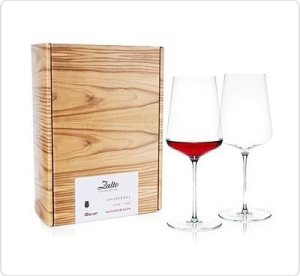
Ready to up your glass game? I highly recommend getting two Zalto Universal Wine Glasses. These are what you bust out when you have that special someone over and want to make that “yeah, I know what I am doing” first impression.
Decoding the Anatomy of a Wine Glass
Welcome to wine glass anatomy 101. No, there won’t be a test, but this stuff is pretty cool and fairly straight forward.
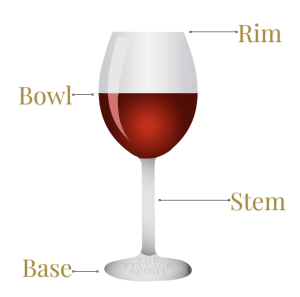
- Rim: The business end of the glass. A thin rim is like a first-class ticket for the wine straight to your palate.
- Bowl: The bulbous part where the wine hangs out. Size matters here, folks. Bigger bowl = more room for aromas to party.
- Stem: That fancy stick holding up the bowl. It’s not just for looks – it keeps your grubby, warm hands off the bowl, maintaining the wine’s temperature.
- Base: The bottom bit that keeps your glass from toppling over. Crucial after the second… or third glass.
Each part plays a role in your tasting experience. It’s like a well-oiled machine, but for booze. Beautiful, isn’t it?
Matching Wine Varietals to Their Ideal Glasses
Now, I’m not saying you need a different glass for every damn grape variety out there. But pairing the right wine with the right glass? It’s like finding the perfect dance partner – everything just flows.
Let’s start with those bold reds, your Cabernet Sauvignons and Malbecs. For these bad boys, it’s go big or go home. We’re talking large, tall bowls with a slightly tapered rim. It’s like giving those big, bold flavors a stage to strut their stuff. Trust me, your taste buds will thank you.
Now, for your lighter reds like Pinot Noir or Gamay, you want a wider bowl with a slightly tapered rim. It’s like a megaphone for those subtle scents, capturing those delicate aromas and directing them straight to your nose. It’s olfactory magic, I tell you.
When it comes to those full-bodied whites like Chardonnay, think U-shaped bowls. It’s like creating a comfort zone for your Chard, giving that buttery goodness room to breathe while keeping it cool. It’s the wine glass equivalent of a cozy sweater.
For your light, crisp whites – your Sauvignon Blancs and Pinot Grigios – go for straight sides and a smaller bowl. It’s a no-nonsense glass for no-nonsense wines, keeping things cool and focused. It’s like the wine glass version of a power suit.
Sparkling wines? Flutes, baby. Keeps those bubbles flowing and the party going. But hey, if you’re feeling rebellious and drinking the good stuff, try a white wine glass. It’s like letting your bubbly wine let its hair down. I once did this with a vintage Champagne and let me tell you, it was a game-changer.
Lastly, for those dessert and fortified wines, keep it small. These wines are like that friend who’s fun in small doses – a little goes a long way. I learned this the hard way after a night with a bottle of port and inappropriately large glasses. Let’s just say the next morning was… memorable.
Want to try the perfect glass for your favorite varietal? These Varietal-Specific Wine Glasses are a game-changer:
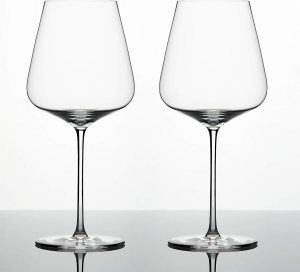


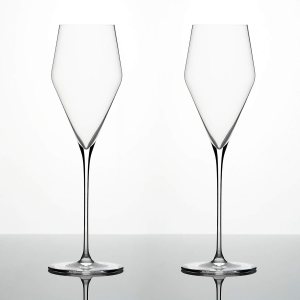
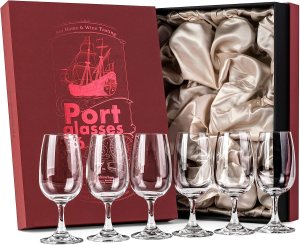
Varietal Specific Glassware
Stemmed vs. Stemless: The Great Debate
The stemmed vs. stemless debate. It’s like the wine glass world’s version of boxers vs. briefs. Here’s the lowdown:
Stemmed glasses, those elegant bastards. They’re like the James Bond of wine vessels – suave, sophisticated, and a bit high-maintenance. They keep your grubby paws off the bowl, maintaining that perfect wine temp. Plus, they look classy as hell. Swirling your wine? Piece of cake. Well, usually. I’ve had my fair share of “oops” moments after a glass or three.
But here’s the rub – they’re as temperamental as a cat in a bathtub. One wrong move and bam! Wine everywhere. And don’t get me started on storage. It’s like playing Tetris with fragile objects. If you’re as graceful as a bull in a china shop (guilty as charged), you might want to invest in a good broom and dustpan.
Now, stemless glasses. These are the laid-back cousins of the wine glass family. Storing them? A breeze. And hallelujah, they’re dishwasher friendly! It’s like they were made for those of us who consider doing dishes a form of cruel and unusual punishment.
But (there’s always a but, isn’t there?), they’re not without their flaws. Your hands on the bowl? Say hello to lukewarm Chardonnay. And unless you’re into that whole CSI fingerprint aesthetic, be prepared for smudges galore. And finally, if your entire arsenal consists of stemless glasses, you will be giving off drunk soccer-mom vibes.
My take? Stemmed for dinners and serious tastings. Stemless for outdoor events and when your clutz friends are over. Because nothing ruins the moment like having to pick up a million pieces of shattered glass. Thanks Fiona.
Material Matters: Crystal vs. Glass
It’s not just about looking fancy (though that’s a nice bonus). There’s actually some science behind this choice too. First, you should know that crystal is a type of glass. In fact, it is made in the same way as glass, but uses different materials to make it stronger to allow it to be thinner.
Crystal is the supermodel of the wine glass world – thin, delicate, and turns heads. It refracts light like nobody’s business, making your wine look sexier than a slow-mo hair flip. Often hand-blown, each crystal glass is like a unique snowflake, but you know, for booze. The downside? It’s pricier than your average glass. It’s the Gucci of glassware.
Now, regular glass is like your reliable best friend. It’s more durable (clumsy people, rejoice!), dishwasher safe (lazy people, do a happy dance!), and won’t make your wallet cry. It might not have the razzle-dazzle of crystal, but it gets the job done. It’s the Honda Civic of wine vessels – dependable, practical, and won’t leave you bankrupt.
Now, some wine snobs swear that crystal enhances the taste of wine. Me? I think it’s more about the thinness of the rim than the material. But hey, if sipping from crystal makes you feel like wine royalty, who am I to judge? Just don’t come crying to me when you break your $100 glass after one too many Merlots. I’ve been there, done that, and let me tell you, the hangover is twice as painful when you’re mourning both your head and your precious glass.
Curious about crystal? These Lead-Free Crystal Wine Glasses offer luxury without the hefty price tag.
Caring for Your Wine Glasses
Alright, let’s talk about keeping your precious wine vessels in tip-top shape. First things first, cleaning. Trust me, you want to rinse those babies right after using. I once left a red wine glass overnight and, well, let’s just say it looked like a crime scene the next morning. Hot water and a mild, unscented soap are your best friends here. I swear by Dawn – it’s like the superhero of dish soaps. For those stubborn stains that refuse to budge (looking at you, Syrah), a mixture of white vinegar and water works like magic. Oh, and unless you want your glasses to experience a WWE-style smackdown, keep ’em out of the dishwasher.
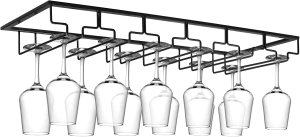
Now, onto storage. Think of your wine glasses like Dracula – they prefer to sleep standing up. Storing them upright prevents rim damage, which is crucial because the rim is basically the Achilles heel of wine glasses. If you’re feeling fancy, invest in a wine glass rack. If not, just make sure they’re not playing bumper cars in your cabinet. And for the love of Bacchus, keep them away from strong odors. Nothing ruins a good Pinot quite like a glass that reeks of last week’s garlic bread.
Finally, handling. Always grab your glass by the stem, not the bowl. It’s not just wine snobbery, I swear. It prevents fingerprints and keeps your wine at the right temperature. When it’s drying time, reach for a lint-free cloth. Paper towels might seem tempting, but they leave behind a residue that’s sadder than an empty wine bottle. Remember, a well-cared-for glass is a happy glass, and a happy glass makes for even happier drinking. Let’s drink to that.
Building Your Wine Glass Collection
Let’s talk about building your wine glass arsenal. You don’t need to rob a bank to get started, but a little investment goes a long way.
For you newbies out there, start with the basics. Grab a set of all-purpose, universal wine glasses. These are your workhorses, the Swiss Army knives of the wine world. They’ll get you through most situations without breaking a sweat. Then, snag a pair of Champagne flutes because, let’s face it, life’s too short not to celebrate. And if you’re into that crisp, chilled goodness, maybe throw in a couple of white wine glasses.
As you level up in your wine journey (and trust me, it’s a fun ride), you’ll want to expand your collection. Add some red wine glasses to your lineup. Your Cab Sauv will thank you, I promise. If you’re getting into Pinot Noir (good choice, by the way), maybe splurge on some Burgundy glasses. Oh, and don’t forget a set of stemless for those casual nights (or when Fiona comes over). They’re like the sweatpants of wine glasses – comfortable, reliable, and judgment-free.
Now, for you wine-obsessed folks (no judgment here, I’m right there with you), it’s time to go all out. Get crazy with varietal-specific glasses. Invest in some high-end crystal if you’re feeling fancy. And don’t forget about those dessert wine glasses for your sweet nightcaps. Because sometimes, you need a little something special to end the night.
Remember, it’s not about having every glass under the sun. It’s about having the right glasses for the wines you love. Start small and build as you go. Your wallet (and storage space) will thank you. Trust me, I learned this the hard way after thinking that the only glass I could drink Bordeaux in was one labeled – and priced – as such.
To Make a Long Story Short…Too Late
Look, at the end of the day, the right glass can turn a good wine experience into a great one. It’s like upgrading from economy to business class – same destination, way better journey.
But here’s the thing – don’t let perfect be the enemy of good. If all you’ve got is a coffee mug and a bottle of wine, you’re still ahead of the game. The best wine glass is the one that’s full, right?
That said, I encourage you to experiment. Try different glasses with your favorite wines. You might be surprised at how much difference it can make. Who knows? You might even turn into one of those wine glass snobs. Don’t worry, we’re a fun bunch.
So, what’s your go-to wine glass? Drop a comment below and let me know. And if you’ve got any hilarious wine glass disaster stories, share those too. Misery loves company, especially when wine is involved.
Cheers, and happy sipping!
Leave a Reply