Did you know that the same grape variety can taste wildly different depending on where it’s grown? Welcome to the fascinating world of regional wine flavor profiles! I’ve spent years traveling the globe, tasting wines from sun-baked vineyards and misty hillsides alike, and let me tell you, it’s been one hell of a delicious education.
Now, before we dive into this vinous voyage, let’s talk about terroir. It’s not just some fancy French word wine snobs throw around to sound important. Terroir is the soul of wine – it’s the unique combination of soil, climate, and human touch that gives each region’s wines their distinct personality. Understanding terroir is like having a secret decoder ring for wine flavors. Trust me, once you get it, you’ll never look at a glass of wine the same way again.
So, buckle up, wine lovers. We’re about to take a whirlwind tour of the world’s wine regions, and I promise you’ll come out the other side with a deeper appreciation for what’s in your glass. Let’s pop some corks and dive in!
The Classic Regions of France: A Benchmark for Wine Flavors
Ah, France – the grand dame of wine. If you want to understand wine flavor profiles, you’ve got to start here. It’s like trying to understand rock music without ever listening to The Beatles. Sure, you can do it, but why would you want to?
Burgundy: Pinot Noir and Chardonnay Paradise
Let’s kick things off with Burgundy, the holy grail for Pinot Noir and Chardonnay lovers. These wines are all about elegance and finesse. A great Burgundian Pinot Noir is like a silk scarf caressing your palate – all delicate red fruits, earthy mushrooms, and a hint of that je ne sais quoi that keeps wine geeks up at night. The Chardonnays? Think laser-focused acidity balanced with rich, creamy textures. It’s liquid gold, folks.
Bordeaux – Bold and Sophisticated
Now, let’s mosey on down to Bordeaux. This is where things get a bit more… muscular. Bordeaux reds are the Sean Connery of wines – bold, sophisticated, and better with age. Expect a mix of black fruits, pencil lead (yes, really), and a structure that can outlast your latest Netflix binge. The whites? They’re the unsung heroes – crisp, flinty, and perfect for when you’re pretending to be fancy on a weeknight.
Champagne: Bubbles and Elegance
Of course, we can’t talk about French wine without mentioning Champagne. This isn’t just for New Year’s Eve and hip-hop videos, people. Real Champagne has a flavor profile that’ll make your taste buds do a happy dance. Think racy acidity, fine bubbles, and flavors ranging from citrus and green apple in young wines to toasty, brioche notes in aged ones. It’s effervescent elegance in a glass.
Loire Valley: France’s Garden of Wine
The Loire Valley is France’s garden, and its wines reflect that. The whites, especially Sancerre and Pouilly-Fumé, are like biting into a crisp green apple while standing in a field of fresh-cut grass. The reds, particularly Chinon, are light, peppy, and perfect for when you want something that won’t knock you on your ass after lunch.
Rhône: Spice and Everything Nice
Last but not least, we’ve got the Rhône. This is where France lets its hair down a bit. The reds are big, bold, and spicy – think Syrah that’ll put hair on your chest (metaphorically speaking, of course). The whites, especially Viognier, are like diving face-first into a bowl of ripe peaches and apricots. They’re lush, they’re aromatic, and they’re proof that the French know how to party.
Italy’s Diverse Landscape of Wine Flavors
Mamma mia, where do I even start with Italy? This boot-shaped paradise has more grape varieties than I’ve had hot dinners. But let’s focus on the heavy hitters, shall we?
Tuscany: Chianti and Super Tuscans
Tuscany is probably what you think of when someone says “Italian wine,” and for good reason. This is Chianti country, baby. But forget that straw-covered bottle you used as a candle holder in college. Real Chianti is a thing of beauty – all tart cherries, herbs, and a savory edge that’ll make you crave a big plate of pasta. And don’t even get me started on Super Tuscans. These rebels broke all the rules and created wines that’ll make you question everything you thought you knew about Italian vino.
Piedmont: Barolo, Barbaresco, and More
Up north in Piedmont, things get a bit more… serious. This is the land of Barolo and Barbaresco, wines so tannic they’ll make your teeth feel like they’re wearing little fuzzy sweaters. But push past that, and you’ll find ethereal notes of roses, tar, and truffles. It’s like licking a bouquet of flowers in the best possible way. The whites here, like Arneis and Gavi, are crisp and mineral-driven – perfect for washing down all that rich Northern Italian cuisine.
Veneto: From Prosecco to Amarone
Now, let’s hop over to Veneto. This is a region of contrasts, folks. On one hand, you’ve got Prosecco – light, fruity, and bubbly. It’s the kind of wine that says, “Hey, let’s not take life too seriously.” On the other hand, you’ve got Amarone – a wine so rich and powerful it’s practically a meal in itself. Made from partially dried grapes, it’s like liquid raisin cake, in the best possible way.
Sicily: Mediterranean Sunshine in a Glass
Last stop in Italy – Sicily. This sun-baked island is producing some of the most exciting wines in the country right now. The reds, often made from the Nero d’Avola grape, are bold and fruit-forward, with a hint of that Mediterranean herb garden. The whites, especially those made from Grillo, are crisp and saline, like a sea breeze in a glass. It’s the kind of wine that makes you want to quit your job and move to a small coastal village. (Not that I’ve thought about that. Much.)
Spain’s Bold and Expressive Wine Profiles
¡Hola, amigos! Let’s talk Spanish wine. If Italian wines are opera, Spanish wines are flamenco – bold, passionate, and not afraid to make a statement.
Rioja: Oak-Aged Elegance
First stop: Rioja. This is the granddaddy of Spanish wine regions, and it’s got the ego to match. Rioja reds are known for their love affair with oak. Traditional styles are smooth as silk, with flavors of vanilla, dill, and coconut layered over red fruit. It’s like the wine equivalent of a perfectly tailored suit – classic, elegant, and always in style. The whites? They’re the unsung heroes – fresh and zesty when young, rich and nutty with age.
Priorat: Intense and Mineral-Driven
Next up, we’ve got Priorat. This tiny region in Catalonia is proof that sometimes, the best things come in small packages. The reds here are intense, mineral-driven beasts that’ll make your average Cabernet look like fruit juice. Think black fruits, crushed rocks, and tannins that’ll outlive your firstborn. It’s not a wine for the faint of heart, but for those who love it (like yours truly), it’s a religious experience.
Jerez: Sherry’s Playground
Last but not least, we’ve got Jerez, home of Sherry. Now, I know what you’re thinking – “Isn’t that what grandma drinks?” Trust me, Sherry is having a moment, and for good reason. From bone-dry Finos that taste like liquid sunshine to rich, sweet Pedro Ximénez that’s basically dessert in a glass, there’s a Sherry for every palate. It’s the wine world’s best-kept secret, and once you get into it, you’ll wonder how you ever lived without it.
New World Wonders: California’s Wine Flavor Revolution
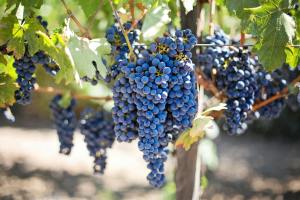
Alright, let’s hop across the pond and talk about California. Now, I know some wine snobs turn their noses up at New World wines, but let me tell you, they’re missing out. California has been shaking things up in the wine world for over fifty years, and the results are pretty damn delicious.
Napa Valley: Cabernet and Chardonnay Kingdom
Let’s start with Napa Valley, shall we? This is Cabernet country, and these wines don’t mess around. Napa Cabs are like the Hollywood stars of the wine world – big, bold, and unashamedly luxurious. Expect a punch of ripe black fruits, a hint of vanilla from oak aging, and enough tannin to age gracefully (if you can keep your hands off them, that is). And let’s not forget about Napa Chardonnay – these are the buttery, oaky monsters that put California Chard on the map. Love ’em or hate ’em, you can’t ignore ’em.
Sonoma: Pinot Noir and Zinfandel Paradise
Next door in Sonoma, things get a bit more… diverse. This is where you’ll find some of the best Pinot Noir outside of Burgundy. These wines are a bit more delicate than their Napa neighbors – think red fruits, earthy mushrooms, and a hint of spice. But don’t think Sonoma is all about subtlety. This is also Zinfandel territory, and these wines are anything but shy. Expect a explosion of brambly fruits, pepper, and enough alcohol to make you think twice about that second glass.
Central Coast: Rhône-Style Blends and Crisp Whites
Down south in the Central Coast, things get interesting. This is where you’ll find California’s take on Rhône-style blends. Syrah, Grenache, and Mourvèdre come together to create wines that are spicy, fruity, and utterly delicious. And let’s not forget about the whites – the Sauvignon Blancs from this region are crisp, zesty, and perfect for a hot summer day.
Australia: Sunshine in a Glass
G’day, mate! Let’s talk about Aussie wine. Now, I know what you’re thinking – “Isn’t Australian wine just cheap stuff with critters on the label?” Oh, how wrong you are, my friend. Australia is producing some seriously good juice, and it’s time you got acquainted.
Barossa Valley: Shiraz and Grenache Heaven
First stop: Barossa Valley. This is Shiraz country, and these wines are not for the faint of heart. Barossa Shiraz is like a bear hug in a glass – big, warm, and intense. Expect a wallop of ripe black fruits, a good dose of pepper, and maybe a hint of eucalyptus if you’re lucky. It’s the kind of wine that’ll put hair on your chest (metaphorically speaking, of course). But Barossa isn’t just about Shiraz. The Grenache from this region is some of the best in the world – think juicy red fruits with a hint of spice. It’s like the cool, laid-back cousin of Shiraz.
Margaret River: Elegant Cabernet and Chardonnay
Over in Margaret River, things get a bit more… refined. This is where you’ll find some of Australia’s best Cabernet Sauvignon and Chardonnay. The Cabs are elegant and structured, with flavors of blackcurrant and a hint of mint. The Chardonnays? They’re a far cry from the butter bombs of yore. Think crisp green apples, citrus, and a mineral edge that’ll make you rethink everything you thought you knew about Aussie Chard.
Hunter Valley: Semillon and Earthy Shiraz
Last but not least, we’ve got the Hunter Valley. This is one of Australia’s oldest wine regions, and it’s got the history to prove it. The star here is Semillon – a white grape that produces wines so unique you’ll wonder why you’ve never heard of them before. Young Hunter Semillon is crisp and lemony, but give it a few years in the bottle, and it transforms into a rich, honeyed nectar that’ll blow your mind. The Shiraz from this region is a different beast from its Barossa cousin – lighter, earthier, and perfect for when you want something a bit more subtle.
South America’s Rising Stars
Alright, let’s hop over to South America. Now, I know what you’re thinking – “Isn’t South American wine just cheap plonk?” Oh, how wrong you are, my friend. These countries are producing some seriously good juice, and it’s time you got acquainted.
Argentina: Malbec and High-Altitude Whites
First stop: Argentina. This is Malbec country, and let me tell you, these wines are not messing around. Argentine Malbec is like that friend who gives great hugs – warm, comforting, and always welcome. Expect a mouthful of ripe black fruits, a hint of violets, and enough body to stand up to the meatiest of steaks. But Argentina isn’t just about red wine. The high-altitude whites, especially Torrontés, are worth seeking out. Think aromatic, floral notes with a crisp, dry finish. It’s like sticking your nose in a bouquet of flowers and then biting into a crisp green apple.
Chile: Carmenère and Coastal Sauvignon Blanc
Now, let’s mosey on over to Chile. This skinny strip of a country is producing some of the most exciting wines in South America right now. Carmenère is the star here – a grape that was thought to be extinct until it was rediscovered in Chile. It’s like the wine world’s version of a comeback kid. Expect flavors of red fruits, green bell pepper, and a spicy kick that’ll keep you coming back for more. And let’s not forget about Chilean Sauvignon Blanc, especially from the coastal regions. These wines are crisp, zesty, and packed with flavors of citrus and fresh herbs. It’s like summer in a glass, people.
Old World Gems: Germany and Austria
Now, I know we’ve been gallivanting around the New World, but let’s not forget about some of the unsung heroes of the Old World. I’m talking about Germany and Austria, folks. These countries are producing some of the most exciting white wines in the world, and if you’re not drinking them, you’re seriously missing out.
Germany’s Mosel: Riesling Paradise
Let’s start with Germany’s Mosel region. This is Riesling country, and let me tell you, these wines are not the sweet, simple stuff you might remember from your grandma’s dinner parties. Mosel Rieslings are like acrobats – they balance sweetness and acidity with an elegance that’ll make your head spin. Expect flavors of green apple, lime, and that characteristic petrol note that wine geeks go nuts for. And don’t even get me started on the aging potential. A well-made Mosel Riesling can outlive most of us.
Austria’s Wachau: Grüner Veltliner Heaven
Hop over to Austria, and you’ll find yourself in Grüner Veltliner territory. The Wachau region is pumping out some seriously good juice. Grüner is like the cool kid in school that everyone wants to hang out with – it’s versatile, it’s food-friendly, and it’s got personality for days. Expect flavors of green pear, white pepper, and a hint of that signature “veltliner spice.” It’s the kind of wine that’ll make you wonder why you ever bothered with Chardonnay.
Emerging Regions: Surprising Flavor Profiles
Alright, wine lovers, let’s talk about some of the up-and-comers in the wine world. These regions might not have the centuries of history that Burgundy or Tuscany do, but they’re producing some seriously exciting wines that are worth your attention.
England: Sparkling Surprises
First up, let’s talk about England. Yeah, you heard me right. England. Now, I know what you’re thinking – “Isn’t England all warm beer and bad weather?” Well, let me tell you, climate change is a hell of a thing, and England is now producing some sparkling wines that’ll give Champagne a run for its money. These bubblies are crisp, mineral-driven, and have a racy acidity that’ll make your mouth water. It’s like drinking liquid sunshine, which, let’s face it, is probably the only way most Brits are going to see any sun.
China: The New Frontier of Cabernet
Next, let’s hop over to China. Now, I know Chinese wine might sound about as appealing as gas station sushi, but hear me out. Regions like Ningxia are producing some seriously good Cabernet Sauvignon. These wines are bold, fruity, and have a unique mineral quality that speaks to the terroir. It’s like the wine equivalent of that Chinese kid in school who was good at everything – it’s a little intimidating, but you can’t help but be impressed.
Japan: Delicate Koshu Wines
Last but not least, let’s talk about Japan. Yeah, the land of sake is getting into the wine game, and they’re not messing around. The star here is Koshu, a white grape that produces delicate, subtle wines with flavors of citrus and white peach. It’s like the wine equivalent of a haiku – simple, elegant, and profoundly Japanese. These wines might not knock your socks off with bold flavors, but they’ll seduce you with their quiet complexity.
Conclusion
Well, folks, we’ve come to the end of our whirlwind tour of the world’s wine regions. If your head is spinning faster than a wine glass at a tasting, don’t worry – that’s perfectly normal. The world of wine is vast, complex, and ever-changing, and that’s what makes it so damn exciting.
Remember, understanding regional wine profiles isn’t about memorizing a bunch of tasting notes or impressing your friends at dinner parties (although that’s a nice bonus). It’s about appreciating the incredible diversity of flavors that can come from fermented grape juice. It’s about connecting with the place, the people, and the traditions that go into every bottle. And most importantly, it’s about finding what you love and drinking the hell out of it.
As you continue your wine journey, don’t be afraid to step out of your comfort zone. Try that weird grape from that country you can’t pronounce. Compare a Napa Cab with a Bordeaux. Hell, crack open a bottle of English sparkling wine and see what all the fuss is about. The beauty of wine is that there’s always something new to discover, always another flavor profile to explore.
And here’s a little secret: the more you taste, the better you get at it. Your palate is like a muscle – the more you use it, the stronger it gets. So keep tasting, keep exploring, and keep an open mind. You might be surprised at what you discover.
Now, I want to hear from you. What’s your favorite wine region? Have you had any mind-blowing experiences with wines from unexpected places? Drop a comment below and let’s keep this conversation flowing like a well-decanted Barolo.
Remember, in the world of wine, the journey is just as important as the destination. So raise a glass to the endless flavors, the diverse terroirs, and the passionate people who make this crazy, beautiful world of wine what it is. Cheers, my fellow wine lovers. May your glasses always be full and your hangovers mild.
P.S. If you’re ever in doubt about what to drink, just remember: life is too short to drink bad wine. So drink the good stuff, share it with good people, and create some damn good memories along the way. Now if you’ll excuse me, I’ve got a date with a bottle of Priorat that’s been eyeing me from the wine fridge. Salud!
3 responses to “Unveiling the World’s Wine Flavor Profiles: A Tasting Tour by Region”
-
[…] Want to learn more about Regional Wines? Check out our article Unveiling the World’s Wine Flavor Profile: A Tasting Tour by Region. […]
-
[…] To read more about Regional Wines and Flavors, check out Unveiling the World’s Wine Flavor Profiles: A Tasting Tour by Region […]
-
[…] Unveiling the World’s Wine Flavor Profiles: A Tasting Tour by Region is a great deep dive into this topic. But in general, think of it this way: wine is like a sponge, soaking up characteristics from its environment. Sunny regions often produce riper, fruitier wines. Cooler climates might give you more tart, acidic wines. […]
Leave a Reply