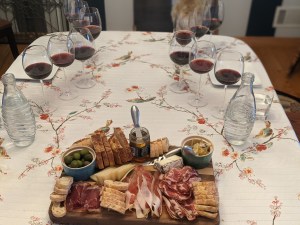
Look, I get it. The idea of hosting a wine tasting party at home might seem about as approachable as decoding the Dead Sea Scrolls. But here’s a little secret: it’s not just for snobby sommeliers or rich folks with wine cellars the size of my apartment. Did you know that home wine tastings have surged by 160% in the past year? Yeah, you read that right. It’s time we all got in on this grape action.
I’m here to walk you through throwing a kick-ass home wine tasting party that’ll have your friends thinking you’ve gone full wine guru overnight. Trust me, I’ve been there – stumbling through my first tasting like a bull in a China shop. But after a few (okay, more than a few) attempts, I’ve got this down to a science. Or at least, a slightly tipsy art form.
So, grab a glass (or hey, just the bottle – I won’t judge), and let’s dive into everything you need to know about hosting your first wine tasting shindig at home.
Hey wine enthusiasts! Just a heads up – some of the links in this article are Amazon affiliate links. That means if you click on them and make a purchase, I’ll earn a small commission (at no extra cost to you). It’s like buying me a glass of wine to say thanks for the tips.
Planning Your Home Wine Tasting Party
Choosing a Theme for Your Tasting
First things first – you need a theme. And no, “getting sloshed on fancy grape juice” doesn’t count. When I threw my first tasting, I went with a “Tour of Italy” theme. It was great until I realized I couldn’t pronounce half the wines. Lesson learned: keep it simple, stupid.

Try something like “Reds Around the World” or “California Dreamin'” if you’re feeling patriotic. Hell, you could even do “Wines Under $15” if you’re on a budget. The point is, a theme gives your tasting direction and makes you look like you know what you’re doing. Fake it ’til you make it, right?
Deciding on the Number of Guests
Now, you might be tempted to invite everyone you know. After all, more people means more wine, right? Wrong. Trust me, I learned this the hard way when I invited 20 people to my tiny studio apartment. It was like a mosh pit, but with more spilled Merlot.
Stick to 6-8 people for your first rodeo. It’s enough to keep things lively, but not so many that you’ll need a megaphone to be heard over the chatter. Plus, it means more wine for each person. And isn’t that what we’re all here for?
Pro Tip:
A standard-sized, single bottle can be split by up to 12 guests, where each person gets a 2 oz pour (60 mL). Personally, I think 3 oz pours are more ideal for wine tastings, which limits your guest count to 8 per bottle.
Setting a Budget
Let’s talk money, honey. Wine tasting doesn’t have to break the bank. I once blew half my rent on fancy wines for a party, only to have someone bring Two-Buck Chuck as their contribution. Don’t be like me.
Set a budget that won’t have you eating ramen for the rest of the month. A good rule of thumb? Plan for about half a bottle per person, and aim for wines in the $15-$30 range. That’s enough to get some decent vino without selling a kidney.
Selecting the Perfect Wines for Your Tasting
How Many Wines to Include
Alright, wine enthusiasts-in-training, let’s talk numbers. When I hosted my first tasting, I thought more was better. Fifteen wines later, we were all seeing double and couldn’t tell a Cabernet from a Kool-Aid.
Here’s the magic number: 5-6 wines. It’s enough to give variety without turning your living room into a frat party. Plus, it keeps things manageable. You want your guests comparing notes, not comparing who can still stand up straight.
Variety vs. Focused Tasting
Now, you might be tempted to go wild and throw every type of wine into the mix. Pinot Noir? Check. Chardonnay? Why not! That weird blue wine you found at the gas station? Uh, maybe not.
For your first rodeo, stick to either all reds or all whites. It helps your palate adjust and makes comparisons easier. If you’re feeling adventurous, do a vertical tasting (same wine, different years) or a horizontal tasting (same year, different wineries). Just don’t mix your verticals and horizontals, or you’ll end up diagonal on the floor.

To learn more about different types of wine tastings, check out Uncorking the Mystery: A Guide to Different Types of Wine Tastings
Considering Your Guests’ Preferences
Here’s a pro tip: ask your guests what they like. Groundbreaking, I know. But seriously, there’s no point in having a Chardonnay-heavy lineup if most of your friends think it tastes like buttered popcorn in a bottle (which, let’s be honest, most Chards under $15 kind of do).
Send out a quick survey or just ask when you invite them. And always have a wildcard – that obscure grape variety might just be the hit of the party. Just maybe skip the Malört. Trust me on this one.
Essential Supplies for a Home Wine Tasting
Glassware: What You Really Need
Okay, let’s talk glasses. When I first started, I thought I needed a different shaped glass for every type of wine. My cabinet looked like a Tetris game gone wrong.
Here’s the truth: you don’t need to rob a Williams-Sonoma. A set of universal wine glasses will do just fine. They should be clear (so you can see the wine), have a stem (to avoid warming the wine with your hands), and have a bowl that’s large enough to swirl without sloshing.
If you’re feeling fancy, get some white wine glasses and red wine glasses. But honestly? As long as it holds wine and isn’t a Solo cup, you’re golden.
For more info, check out my article The Ultimate Guide to Wine Glass Types: Elevate Your Tasting Experience
Palate Cleansers and Why They Matter
Now, palate cleansers. Sounds fancy, right? But they’re crucial unless you want that big, bold Cabernet to steamroll over that delicate Pinot Noir that follows.
Water is a must – still or sparkling, dealer’s choice. But don’t stop there. Plain crackers or bread are great for resetting your taste buds. And if you really want to impress, throw in some grapes or apple slices. Just avoid anything too flavorful – we’re cleansing palates, not starting a whole new flavor party.
Wine Accessories to Enhance the Experience
Time to geek out a bit. You don’t need much, but a few key accessories can take your tasting from “college house party” to “almost sophisticated adult gathering.”
First up: a decanter. It’s not just for show – it helps open up the wine and makes you look fancy as hell. Win-win. Curious to learn more about decanting? Check out The Ultimate Wine Decanting Guide: When, Why, and How to Elevate Your Pour
Next, grab a few wine charms. They’re like name tags for glasses and prevent the dreaded “Is this my glass or yours?” debate. Don’t want to feel like Lucky the Leprechaun? Try these wine glass markers. They will last the night and come off easily when cleaned.
Lastly, invest in a good corkscrew. Nothing kills the vibe faster than struggling with a cork like it’s your mortal enemy. Trust me, I’ve been there, and it’s not pretty.
Creating the Perfect Atmosphere
Setting Up Your Tasting Area
Alright, let’s set the stage for your wine extravaganza. First time I did this, I just plonked everything on my coffee table. Big mistake. By the end of the night, it looked like a crime scene, but with more purple stains.
Here’s the deal: you need space. A dining table works great, or even a few folding tables if you’re in a pinch. Cover them with a white tablecloth – it’s not just for looks, it helps you see the true color of the wine. Plus, you can throw it right in the washer at the end of the night.
Set up your wines in the order you’ll taste them (generally lighter to bolder). Put out some small plates for snacks, water glasses (hydration is key, folks), and maybe some notepads for the keen beans who want to jot down their thoughts.
Oh, and pro tip? Have a spit bucket. I know, I know, spitting out perfectly good wine seems sacrilegious. But trust me, your future self will thank you when you’re not hugging the toilet at 2 AM. This is also useful for when that wine is just not for you – pour it out.
Lighting and Music Considerations
Now, ambiance. You’re not setting up for a romantic dinner here (unless that’s your thing, in which case, you do you). You need good lighting so people can actually see what they’re drinking. Avoid harsh overhead lights – they’re about as flattering as a DMV photo.
Natural light is best, but if you’re going for an evening affair, opt for soft, warm lighting. And for the love of Bacchus, no scented candles. Nothing ruins a good Sauvignon Blanc like the overwhelming smell of vanilla cupcake.
As for music, keep it low and mellow. You want background noise, not a rave. I once made the mistake of putting on my “Workout Bangers” playlist. Let’s just say it’s hard to appreciate the subtle notes of oak when you’re involuntarily fist-pumping to EDM.
Temperature Control for Optimal Tasting
Listen up, because this is important: temperature matters. Serving a red wine too warm is like drinking wine soup, and an over-chilled white will taste about as nuanced as a popsicle.
For reds, aim for slightly below room temperature – about 62-68°F (16-20°C). If your room is warmer (like mine usually is because I’m too cheap to crank the AC), pop the reds in the fridge for 15 minutes before serving.
Whites should be chilled, but not glacial. Aim for about 49-55°F (9-13°C). Take them out of the fridge about 20 minutes before serving. And if you forget? Well, that’s what ice buckets are for. Just don’t go dumping ice cubes directly into the wine. I’ve seen it happen, and it’s a tragedy.
If only there was an article about perfect wine temps… The Perfect Pour: Nailing Wine Serving Temperatures Like a Boozy Goldilocks
Food Pairings for Your Wine Tasting Party
Simple Appetizers That Complement Wine
Okay, let’s talk grub. You’re not hosting a five-course dinner here (unless you are, in which case, can I get an invite?). The goal is simple, tasty bites that complement the wine without overwhelming it.
I learned this the hard way when I served super spicy salsa at my first tasting. Suddenly, every wine tasted like burning regret. Stick to milder flavors that play well with others.
Some foolproof options:
- Mild cheeses (we’ll get to the cheese board in a sec)
- Crackers or baguette slices
- Nuts (almonds and walnuts are great)
- Olives (but watch out for those pits after a few glasses)
- Mild cured meats like prosciutto
- Something sweet like honeycomb or fig jam
Keep it simple, keep it classy, and for the love of all that’s holy, have more food than you think you need. Trust me, tipsy people are hungry people.
Cheese Board Basics for Wine Tasting

Ah, the cheese board – the pièce de résistance of any wine tasting. My first attempt looked like a toddler’s art project, but I’ve since refined my technique.
Aim for a variety of textures and flavors. A good rule of thumb is to have:
- A soft cheese (like Brie or Camembert)
- A hard cheese (Aged Cheddar or Parmigiano-Reggiano)
- A blue cheese (Gorgonzola or Roquefort, if you’re feeling fancy)
- A wild card (maybe a goat cheese or something local and funky)
Arrange them from mildest to strongest, just like your wines. And please, for the love of lactose, take them out of the fridge at least an hour before serving. Cold cheese is sad cheese.
Dessert Pairings to End on a Sweet Note
Now, I know what you’re thinking – “Dessert? With wine? Isn’t that overkill?” To which I say: there’s no such thing as overkill when it comes to ending the night on a sweet note.
If you’re tasting dessert wines, fantastic! Pair them with some dark chocolate, fresh berries, or even a simple vanilla ice cream. It’s like a party in your mouth, and everyone’s invited.
If you’re sticking to dry wines, go for desserts that aren’t too sweet. Think fruit tarts, biscotti, or even a cheese plate round two (because let’s be honest, there’s never too much cheese).
And remember, the golden rule of dessert pairing: the wine should always be sweeter than the dessert. Otherwise, your lovely Sauternes will taste about as appealing as vinegar. Learn from my mistakes, people.
Structuring Your Home Wine Tasting Event
The Art of Proper Wine Pouring
Alright, let’s talk pouring. It’s not just about getting the wine from bottle to glass without spilling (though that’s a crucial life skill). There’s actually a method to this madness.
First off, portion control. I know it’s tempting to fill ‘er up, but we’re not at a frat party. Aim for about 2-3 ounces per pour. It’s enough to taste, swirl, and analyze without turning your living room into the next Woodstock.
When you’re pouring, hold the bottle by the base, not the neck. It looks fancier and gives you more control. Turn the bottle slightly as you finish pouring to avoid drips. And for the love of your carpet, use those pour spouts if you have them.
Pro tip:
Pour for others before yourself. It’s classy, and it ensures you don’t subconsciously give yourself more. Not that I’ve ever done that. Nope. Not me.
Guiding Your Guests Through the Tasting Process
Now, unless you’re hosting a bunch of sommeliers (in which case, why are you reading this?), you’ll need to guide your guests through the tasting. Don’t worry, it’s not as daunting as it sounds.
Start with the classic five S’s:
- See: Check out the color and clarity
- Swirl: Get that wine dancing to aerate it
- Sniff: Stick your nose in there and inhale (gracefully, please)
- Sip: Take a small sip and let it coat your mouth
- Savor: Think about the flavors and finish
Encourage everyone to share their thoughts. There are no wrong answers here, unless someone says it smells like gasoline. In that case, maybe check the bottle – if it is an aged Riesling, they are probably right.
And remember, it’s okay to not know everything. The first time I hosted, I confidently declared a wine had notes of “wet dog and despair.” Turns out, it was corked. We all learn somehow.
If you want to learn some more wine tasting techniques, check out Wine Tasting for Beginners: A No-BS Guide to Sipping Like a Pro
Fun Wine Tasting Games and Activities
Let’s face it, after a few glasses, everyone thinks they’re a wine expert. Harness that liquid confidence with some games!
Try a blind tasting: Cover the bottles with paper bags and have everyone guess the variety or region. Winner gets the bottle as a trophy.
Or play “Guess the Price”: Have everyone write down what they think each wine costs. Closest guess wins bragging rights (and maybe pays for the next bottle).
My personal favorite? “Wine Tasting Bingo”: Create bingo cards with common wine descriptors. First person to get a line wins. Just be prepared for heated debates over whether that Chardonnay really tastes like “grandma’s potpourri.”
Remember, the goal is fun, not cutthroat competition. Unless you’re playing with my Aunt Marge. Then all bets are off.
Tips for Being a Great Wine Tasting Host
Encouraging Discussion and Sharing Opinions
Alright, here’s where you channel your inner talk show host. Your job? Keep the conversation flowing smoother than that Merlot you’re pouring.
Start with some icebreakers. Ask everyone to describe the wine in one word, or compare it to a celebrity. You haven’t lived until you’ve heard someone describe a Pinot Noir as “the Brad Pitt of wines – complex, mature, but still fun.”
Encourage everyone to share their thoughts, even if they think they sound ridiculous. I once had a friend say a wine reminded her of her grandmother’s attic. Weird? Yes. But it got everyone talking about childhood memories and nostalgia. Win!
And here’s a pro tip: if someone’s being shy, ask them specific questions. “What do you think about the acidity?” is less intimidating than “So, what do you think?”
Remember, there are no wrong answers in wine tasting. Except maybe “it tastes like wine.” Come on, people, we can do better than that.
Handling Different Levels of Wine Knowledge
Here’s the thing: you’re going to have a mix of people. There’s always that one friend who can detect notes of “burnt Madagascar vanilla bean harvested by moonlight,” and then there’s your buddy who thinks wine comes in two flavors: red and white.
Your job is to make everyone feel comfortable. For the newbies, keep it simple. Encourage them to trust their taste buds and not worry about getting it “right.” I once told a wine rookie to describe the wine like they would a new Tinder date. Suddenly, we had wines that were “mysterious,” “bold,” and “probably lying about their age.”
For the wine buffs, let them shine without dominating. Ask them to explain terms they use or share a fun fact about the region. Just don’t let them go full wine snob on you. I once had a guest lecture us for 20 minutes on the soil composition of Burgundy. By the end, we were all ready to bury ourselves in that soil.
Remember, the goal is to learn and have fun, not to make anyone feel like they’re taking a wine exam. Unless that’s your thing, in which case, you do you, you crazy oenophile.
Ensuring Responsible Consumption
Alright, let’s get serious for a hot second. We’re here to taste wine, not star in our own version of “The Hangover.” As the host, it’s your job to keep things classy, not glassy-eyed.
First off, make sure there’s plenty of water available. I’m talking water bottles, pitchers, maybe even a fancy dispenser if you’re feeling fancy. Hydration is key, people.
Provide substantial snacks throughout the night. Nothing soaks up alcohol like a good cheese board or some hearty appetizers. Trust me, your guests’ heads will thank you in the morning.
Have a plan for people to get home safely. Whether it’s designating drivers, calling cabs, or having people crash at your place, make sure everyone has a safe way home. I once had to convince a friend that no, his new “wine legs” were not actually good for walking home. Spoiler alert: they weren’t.
And remember, it’s okay to cut someone off if they’re going too hard. It’s better to have a slightly miffed friend than a dangerously drunk one. You’re hosting a wine tasting, not auditioning for “World’s Coolest Enabler.”
Conclusion
Well, there you have it, folks – your crash course in hosting a home wine tasting that’s more fun than a barrel of… well, wine. From planning to pouring to making sure your guests don’t turn into grape-scented disasters, we’ve covered it all.
Remember, the key to a great wine tasting party isn’t about having the most expensive wines or the fanciest cheese. It’s about creating an atmosphere where people can relax, learn a little, and maybe discover their new favorite bottle. And if all else fails, at least you’ll have some great stories to tell at your next party.
So go forth, young sommelier-in-training. Embrace the swirl, the sniff, and yes, even the spit (into a bucket, please, not on your neighbor’s shoes). Your journey into the world of wine hosting has just begun, and trust me, it only gets better from here.
And hey, if you end up with leftover wine (ha!), remember: it makes an excellent sauce for cooking. Or, you know, a Tuesday night companion. No judgment here.
Now, I want to hear from you! Drop a comment below with your own home wine tasting experiences. Did you discover a hidden talent for detecting notes of “freshly mowed grass on a spring morning”? Or did you accidentally serve the cooking sherry? Share your triumphs, your disasters, and everything in between. After all, wine is best when shared – and so are the stories that come with it.
Cheers to you, future wine tasting host extraordinaire. May your pours be generous, your conversations lively, and your hangovers minimal. Now, if you’ll excuse me, I have some, uh, research to do. For science, of course.
Leave a Reply