I’ll never forget the time I ruined a prized bottle of Bordeaux by not decanting it properly. Trust me, you don’t want to make the same mistake. It was like watching liquid gold turn to mud, and my dinner guests were too polite to say anything, but their faces said it all. Ouch.
Listen, decanting isn’t just some fancy ritual for wine snobs to show off. It’s a game-changer that can transform a good wine into a mind-blowing experience. But get it wrong, and you might as well be pouring two-buck chuck down the drain.
Stick with me, and I’ll spill the secrets I’ve learned from years of trial and error (emphasis on the error). We’ll cover when to decant, why it matters, and how to do it without looking like a pretentious ass. Plus, I’ll throw in some insider tips that’ll make you sound like a pro at your next dinner party. Let’s uncork this wine decanting guide, shall we?
What the Hell is Decanting, Anyway?

Alright, let’s cut through the BS and get to the heart of it. Decanting is basically giving your wine a chance to breathe before you drink it. It’s like when you’ve been stuck in a car for hours and finally get to stretch your legs – the wine’s been cooped up in that bottle, and it needs some air to show its best self.
Here’s the deal: You’re pouring the wine from its bottle into another container, typically a decanter. These fancy-ass vessels come in all shapes and sizes, from simple pitchers to elaborate swan-necked contraptions that look like they belong in a mad scientist’s lab.
Now, this isn’t some new-age wine hipster trend. Decanting’s been around since ancient Romans realized their wine tasted better after it sloshed around in their amphoras during transport. Fast forward to the 17th century, and boom – the decanter as we know it was born.
But here’s the kicker – not all wines need this special treatment. Generally, it’s the big, bold reds and some older wines that benefit most. That delicate Pinot Noir or that crisp Sauvignon Blanc? They’re usually fine straight from the bottle. But we’ll get into the nitty-gritty of which wines to decant later.
Remember, decanting isn’t just about aeration. For older wines, it’s also about separating the good stuff from any sediment that’s settled at the bottom of the bottle. Trust me, no one wants a mouthful of wine grit. Been there, done that, still trying to forget the experience.
The Why: Reasons to Decant That’ll Make You Sound Like a Pro
Look, I’m not here to turn you into some wine-swirling snob, but knowing why we decant can seriously up your wine game. So let’s break it down, no bullshit.
Sediment Separation: The Grit Be Gone
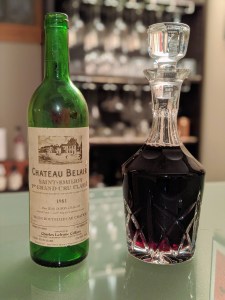
This is mainly for older reds. Over time, wines can develop sediment – it’s not harmful, but it’s gritty and can make your wine taste bitter. Nobody wants to feel like they’re drinking sand with their $100 Cabernet. Decanting lets you leave that crap in the bottle where it belongs.
Aeration for Young Wines: Taming the Tannin Beast
You know how some people are wound tight and need to loosen up? Same with young, tannic wines. Exposure to air softens those harsh tannins and opens up the flavors. I once had a young Barolo that tasted like licking a tree trunk straight from the bottle. After decanting? Pure silk with notes of roses and tar. Night and day, I’m telling you.
Temperature Control: The Goldilocks Zone
This is a sneaky benefit. Decanting can help bring a wine to the right serving temperature. Got a red that’s too cold? Decanting can warm it up a bit. Fancy decanter designs aren’t just for show – they can affect how quickly the wine warms up. But be careful, because this also means that a wine that started at the perfect temperature may change by the time you are ready to pour a glass.
Learn more about perfecting wine temperatures with The Perfect Pour: Nailing Wine Serving Temperatures Like a Boozy Goldilocks.
The Show: Because Presentation Matters
Let’s be real, part of wine enjoyment is the ritual. There’s something undeniably classy about pouring from a decanter. It’s like the difference between microwaving a TV dinner and sitting down to a home-cooked meal. The experience matters.
Flavor Enhancement: The Real Magic
This is the big one. Decanting can make a good wine great and a great wine phenomenal. It’s like hitting the “enhance” button on your wine’s flavors and aromas. I’ve had wines that were “meh” out of the bottle transform into complex, multi-layered experiences after some time in the decanter.
Here’s a pro tip: Next time you’re drinking with friends, pour the same wine into two glasses – one decanted, one not. Taste them side by side. The difference will blow your mind, and you’ll look like a goddamn wine wizard.
When to Decant: A No-BS Guide to Timing
Alright, listen up. Knowing when to decant is like knowing when to fold ’em in poker – it can save your ass or make you look like a genius. Here’s the straight dope on when to break out that decanter:
Old Reds: The Sediment Slayers
These bad boys (15+ years) almost always need decanting. Why? Sediment, my friends. Old wines throw sediment like a toddler throws spaghetti. An hour or two before serving should do the trick. But careful, some really old wines (we’re talking 40+ years) can be fragile. Decant those just before serving.
Young, Full-Bodied Reds: The Tannin Tamers
Your big, bold Cabernets, Syrahs, and Barolos? They’re like angsty teenagers – they need time to open up and stop being so damn aggressive. Give these wines a good 1-2 hours in the decanter. I once decanted a young Napa Cab for 3 hours and it went from “meh” to “holy shit” real quick.
White Wines: The Unexpected Candidates

Yeah, you heard me. Some fuller-bodied whites like oaked Chardonnays and Roussanne/Viognier can benefit from a short decant (30 minutes or so). It can help mellow out that oak and let the fruit shine. But don’t go crazy – most whites are fine straight from the bottle.
Port and Dessert Wines: The Sweet Surprise
Vintage Ports, in particular, need decanting to get rid of sediment. Give them a couple of hours. Tawny Ports? Not so much.
When to Skip the Decant:
Now, here’s what you generally don’t need to decant:
- Light-bodied reds like Pinot Noir or Beaujolais
- Most white wines and rosés
- Sparkling wines (I don’t care what some “experts” say, decanting Champagne is like putting ketchup on filet mignon – just don’t)
Pro tip: If you’re not sure, pour a small taste first. If it seems closed off or tannic, give it some decanter time. Trust your palate – it’s usually right.
Remember, these are guidelines, not hard rules. I’ve had 10-year-old wines that needed hours of decanting and 20-year-old wines that fell apart after 30 minutes. Wine is like people – each one’s got its own personality. Get to know them, and you’ll figure out what they need.
How to Decant Like a Sommelier (Without the Pretension)
Alright, time for the main event. Here’s how to decant without looking like you’re performing a magic trick or defusing a bomb. It’s not rocket science, but there are a few tricks to get it right.
The Step-by-Step Guide
- Stand that bottle upright for a day before decanting. This lets any sediment settle at the bottom. Forgot to do this? No worries, just be extra careful when pouring.
- Open the bottle carefully. Don’t shake it like a maraca – you’ll stir up any sediment.
- Get your light source ready. Traditionally, this was a candle, but unless you’re trying to romance someone, your phone’s flashlight works fine. Hold it under the neck of the bottle as you pour. If the neck is covered with foil, remove it!
- In one smooth motion, pour the wine into your decanter. Watch the neck of the bottle – when you start to see sediment approaching (it looks like fine grit or clouds), stop pouring.
- Leave that last bit in the bottle. Better to lose an ounce of wine than ruin the whole decanter with sediment.
Common Screw-Ups to Avoid
- Don’t decant too vigorously. You’re not making a smoothie. A gentle pour down the side of the decanter is all you need.
- Don’t overthink the decanter shape. Sure, they all have fancy names and supposed benefits, but honestly? As long as it exposes the wine to air, you’re golden.
- Don’t decant for too long. More isn’t always better. Some wines can “fade” if left out too long.
No fancy decanter? No problem. You can “double decant” by pouring the wine into a clean pitcher, then back into the rinsed original bottle. It’s not as pretty, but it gets the job done.
Remember, the goal here is to enjoy the wine, not put on a show. I’ve seen sommeliers turn decanting into a theatrical production. Unless you’re working in a Michelin-starred joint, keep it simple. Your friends are there for the wine and your company, not a performance.
Decanting Tools: From Basic to Bougie
Let’s talk gear, because like any hobby, wine appreciation comes with its share of gadgets. Some are useful, some are pure wankery. Here’s the lowdown:
The Essentials
- Traditional Decanters: These range from simple pitchers to elaborate, swan-necked monstrosities that look like they escaped from a chemistry lab. My advice? Go for function over form. A wide base for maximum air exposure and a shape you can easily clean are key. Trust me, trying to scrub dried wine out of a decanter with more twists than a pretzel is no fun.
- Aerating Pourers: These nifty devices fit right into the bottle neck and aerate as you pour. They’re great for by-the-glass aeration or when you’re too lazy (or tipsy) for full decanting. I keep one in my pocket at parties – it’s like a wine Bat-utility-belt gadget.
The Nice-to-Haves
- Electric Aerators: Yes, they exist. No, you probably don’t need one unless you’re running a tasting room or have too much money. They’re the wine equivalent of those egg-peeling gadgets – cool, but unnecessary.
- Filters: These catch sediment as you pour. Handy for older wines, but honestly? If you’re careful with your pouring technique, you can skip these.
- Cleaning Beads: Little magnetic beads you swirl around in your decanter with water to clean it. Sounds gimmicky, but they’re actually pretty useful for those hard-to-reach spots.
- Decanter Brush: Bendable cleaning brushes allow you to reach where your hands can’t. And they won’t scratch the glass.
Now, if you’re looking to invest in some quality decanting tools without breaking the bank, I’ve got some recommendations.

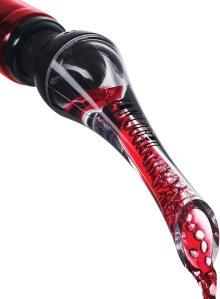
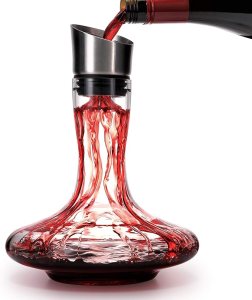
Recommended Decanter and Aerator – Affiliate Links
Remember, though – the most expensive gear doesn’t always mean the best experience. I’ve had mind-blowing wines decanted into a dollar store vase. It’s not about the show; it’s about the wine.
The Great Decanting Debate: Myths and Controversies
Alright, strap in, because we’re about to wade into some controversial waters. The wine world loves a good debate, and decanting has sparked its fair share. Let’s tackle some of the hot topics:
The Over-Decanting Dilemma
Can You Over-Decant? Short answer: Hell yes. Long answer: It depends on the wine. I once left a delicate aged Burgundy out for hours, thinking I was doing it a favor. By the time I got to it, all the subtle nuances had evaporated faster than my paycheck at a wine auction. Older wines, in particular, can be sensitive to too much air exposure. On the flip side, I’ve had young, tannic monsters that needed a full day to calm down. It’s a balancing act, folks.
The Champagne Conundrum
Decanting Champagne: Sacrilege or Secret Weapon? This one’s divisive. Traditionalists clutch their pearls at the thought, but some swear by it for older, complex champagnes. My take? Try it if you’re feeling adventurous, but don’t do it to that bottle of Veuve you’re popping for a celebration. I tried it once with a vintage Krug and… let’s just say the jury’s still out.
The White Wine Wager
White Wine Decanting: Unnecessary or Underrated? Most folks think decanting is just for reds, but some full-bodied whites can really shine with a bit of air. Oaked Chardonnays, white Rhônes, even some Rieslings can benefit. Just keep it brief – we’re talking 15-30 minutes, not hours.
The Blender Blunder
The Blender Method (aka Hyperdecanting): Yes, some people actually put their wine in a blender. The idea is to rapidly aerate it. Does it work? Kind of. Is it a bit like taking a sledgehammer to crack a nut? Absolutely. I tried it once at a party as a gag. The wine was… different. Not better, not worse, just different. And I felt like I’d committed some sort of wine crime.
The Flaw Fix Fallacy
Decanting Fixes Flaws: There’s a persistent myth that decanting can fix a flawed wine. Sorry, folks, but if your wine smells like wet cardboard or vinegar, no amount of decanting will save it. Decanting can help some wines “blow off” slight off-aromas, but it’s not a miracle cure.
Here’s the thing – wine is subjective. What works for one person might be heresy to another. My advice? Experiment. Try different methods. Taste wines decanted and undecanted side by side. Develop your own opinions. Just maybe don’t post about them on wine forums unless you’re ready for a virtual bar fight.
Beyond the Basics: Advanced Decanting Techniques
Alright, wine ninjas, you’ve mastered the basics. Now it’s time to level up your decanting game with some advanced techniques. Strap in – we’re about to get weird.
Double Decanting: The Two-Step Tango
This isn’t just for when you forget your fancy decanter at your ex’s place. Double decanting involves pouring the wine into a decanter, then back into the rinsed original bottle. Why bother? It’s like giving your wine a double shot of oxygen. Plus, it’s a neat trick for dinner parties – you get the benefits of decanting while still presenting the original bottle. I’ve used this method to resurrect tight, closed-off wines faster than you can say “tannic bastard.”
Hyperdecanting: The Blender Blitz
Alright, brace yourselves. This controversial technique involves dumping your wine in a blender and pulsing it for about 30 seconds. It’s the wine equivalent of shock therapy. Does it work? Sometimes, yeah. I tried it once with a young, tight Cabernet Franc that tasted like chewing on a tree. Post-blend, it opened up dramatically. But let’s be clear – this is not for your precious aged wines or delicate varietals. It’s a Hail Mary for those young, obstinate reds that refuse to play nice.
The Fridge Decant: Chilling Out
Here’s a pro move: decant your full-bodied whites (think oaked Chardonnay or Viognier) in the fridge. The cooler temp slows oxidation while still allowing the wine to open up. I stumbled upon this trick during a heatwave when I was desperate to save an expensive white Burgundy from turning into grape juice. The result? Mind-blowingly good.
The Lazy Decant: For When You Just Can’t
Sometimes, you just can’t be bothered with the whole song and dance. Enter the lazy decant: pour a glass, recork the bottle, and shake it gently. The air bubble will help aerate the wine. It’s not as effective as a full decant, but it’s better than nothing when you’re dealing with a tight wine and impatient friends.
The Fault Fixer: When Things Go South
Now, I’m not saying decanting can fix a corked wine – that’s like trying to un-burn toast. But for certain faults like reduction (those nasty sulphur smells), aggressive decanting can help. I once salvaged a bottle that smelled like a struck match by violently splashing it between two decanters. My kitchen looked like a crime scene, but the wine was saved.
The Time-Lapse Taste Test
Here’s a fun experiment: decant a wine, then taste it every 15 minutes for a couple of hours. Take notes. It’s like watching a time-lapse of your wine evolving. I do this sometimes with friends – it turns into a fun guessing game of when the wine will hit its peak.
The Food Pairing Finesse
Advanced move here – adjust your decanting time based on your meal. Having a big, fatty steak? Give that Cabernet extra time to open up and stand up to the richness. Lighter fare? Maybe ease back on the decanting to keep the wine from overpowering the food.
Remember, these advanced techniques are like spices – use them judiciously. The goal is to enhance the wine, not beat it into submission. And always, always trust your palate. If it tastes good to you, that’s what matters. Now go forth and decant like a boss!
Conclusion: Your Decanting Adventure Awaits
Well, folks, we’ve been on quite the journey through the wild world of decanting. From basic techniques to mad scientist experiments, we’ve covered it all. But here’s the thing – all this knowledge means jack if you’re not out there trying it yourself.
Remember when I told you about ruining that prized Bordeaux? Well, that disaster led me down this rabbit hole, and I’ve never looked back. Each cork you pop, each decanter you fill, is a chance to learn something new. Wine is alive, it’s ever-changing, and that’s what makes this whole decanting business so damn exciting.
So here’s my challenge to you: Take these tips, these techniques, these embarrassing stories of mine, and go make some of your own. Experiment. Be bold. Pour that Two-Buck Chuck into a crystal decanter just for laughs. Try a side-by-side tasting of decanted vs. non-decanted wine and blow your friends’ minds.
But most importantly, enjoy the process. Because at the end of the day, wine is about pleasure. It’s about sharing stories, creating memories, and maybe learning a thing or two along the way. Whether you’re sipping from a fancy decanter or straight from the bottle (hey, no judgment here), what matters is that you’re enjoying it.
So, what are you waiting for? Go forth and decant, my friends. Your next great wine experience is just a pour away. And hey, if you discover some mind-blowing decanting trick, drop a comment below. This old dog is always ready to learn new tricks.
3 responses to “The Ultimate Wine Decanting Guide: When, Why, and How to Elevate Your Pour”
-
[…] First up: a decanter. It’s not just for show – it helps open up the wine and makes you look fancy as hell. Win-win. Curious to learn more about decanting? Check out The Ultimate Wine Decanting Guide: When, Why, and How to Elevate Your Pour […]
-
[…] Want to learn more about decanters? Check out The Ultimate Wine Decanting Guide: When, Why, and How to Elevate Your Pour […]
-
[…] The Ultimate Wine Decanting Guide: When, Why, and How to Elevate Your Pour […]
Leave a Reply